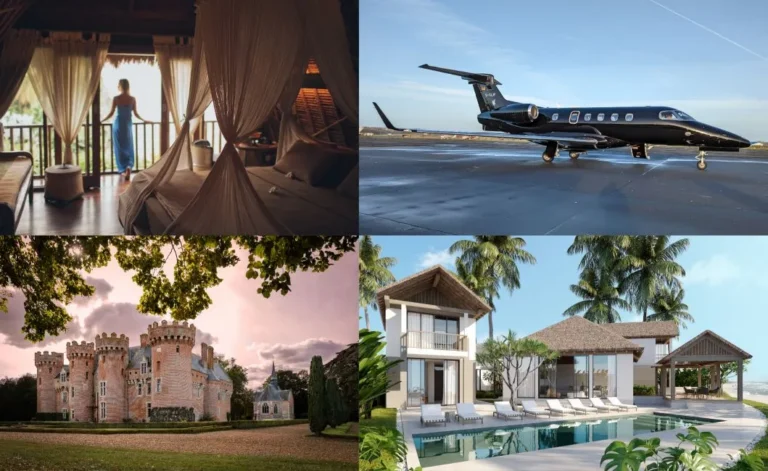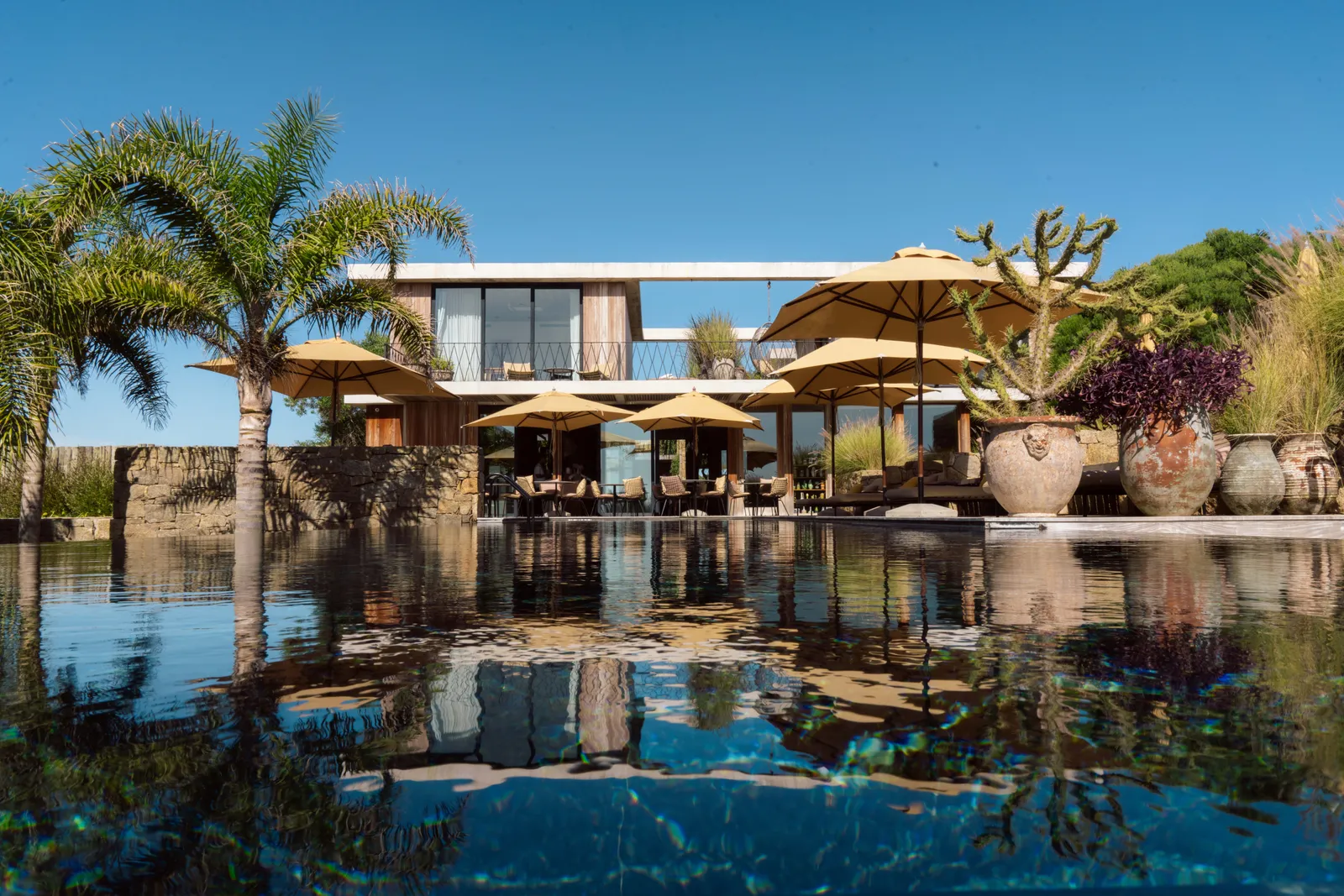
Top Luxury Resort Plans: Comprehensive Industry & Architectural Guide
Developing world-class hospitality properties requires aligning physical architecture with operational strategy. When investors and developers design ultra-luxury destinations, master layouts must support seamless guest experiences while maintaining high staff efficiency. A poorly planned resort layout causes operational bottlenecks, increased labor costs, and degraded guest privacy.
This analytical guide examines the core mechanics of resort master planning. It covers spatial organization, guest movement, risk containment, financial structures, and long-term asset management. Mastering these concepts helps developers, operators, and hospitality strategists build resilient properties that deliver sustained commercial returns.
Understanding top luxury resort plans
Resort master blueprints act as operational frameworks that connect guest accommodations, back-of-house facilities, and public spaces into an integrated ecosystem. High-tier properties require careful separation between public visibility and internal logistics. When layouts fail, problems stem from poor spatial zoning rather than insufficient capital.
Spatial Zoning and Logistics
A resort layout must separate guest pathways from service corridors. Housekeeping carts, maintenance teams, and food deliveries should move unseen throughout the property. This hidden movement preserves guest immersion and ensures silent, efficient service delivery behind the scenes.
Privacy and Density Mechanics
Luxury hospitality relies on acoustic isolation, visual screening, and low spatial density. Villa orientation, landscape buffering, and topography must protect guest privacy without blocking natural views. Poorly planned site density reduces property value and compromises guest comfort.
Operational Adaptability
Resort blueprints must accommodate changing seasonal demands, weather shifts, and high-profile events. Flexible spaces allow management to host exclusive buyouts, private events, or quiet seasonal retreats without disrupting regular guest operations.
Historical and Systemic Evolution
Resort architecture has transformed across decades. Reviewing historical shifts explains why contemporary master planning demands technical precision and operational foresight.
The Palatial Grand Hotel Model
Historically, luxury hospitality centered on large, single-structure grand hotels. These properties featured grand lobbies, centralized dining rooms, and dense room corridors. While efficient to operate, this model offered limited private outdoor space and struggled to deliver personalized seclusion.
Decentralization and Villa Formats
During the late 20th century, developers shifted toward decentralized layouts. Resorts expanded across large sites using detached villas, private plunge pools, and open-air pavilions. This approach enhanced guest privacy but increased infrastructure costs for water, power, and service transport.
Modern Regenerative Master Plans
Today’s developments blend low-impact environmental design with smart infrastructure. Modern master plans integrate off-grid power generation, advanced water recycling, and modular construction. These engineering choices lower environmental impact while maintaining high operational standards in remote locations.
Conceptual Frameworks and Mental Models
Architects and resort operators use mental models to solve spatial and logistical challenges. Applying these concepts prevents design flaws before ground is broken.
The Concentric Privacy Model
This framework organizes resort facilities in concentric circles according to privacy levels. Outer rings contain arrival zones, parking, and administrative offices. Middle rings house shared dining, spa, and recreational areas. Inner zones isolate private guest villas, protecting them from noise and foot traffic.
Service Radius Efficiency Matrix
Service delivery speed depends on the distance between support hubs and guest villas. Planners position satellite pantries, housekeeping stations, and maintenance bays strategically throughout the site. This decentralization reduces response times and keeps staff out of main guest pathways.
The Dual-Flow Movement Model
This model establishes parallel movement networks across the resort. Guests travel along scenic, landscaped paths, while staff use subterranean tunnels or hidden service roads. Separating these flows preserves guest immersion and speeds up back-of-house operations.
Primary Categories and Variations
Resort master plans vary depending on site geography, climate, and target guest profiles. Each layout model presents unique operational trade-offs and capital requirements.
Remote Island and Atoll Layouts
Overwater bungalows and island villas offer pristine marine views and direct lagoon access. However, building in marine environments requires costly piling systems, desalination plants, and specialized sea-based logistics.
Mountain and Alpine Resorts
Alpine developments focus on ski-in/ski-out access, thermal insulation, and snow load management. Buildings cluster around centralized hearths and covered walkways, balancing cold-weather protection with mountain views.
Desert Oasis Compounds
Desert resorts use passive cooling, shaded courtyards, and thick thermal massing to manage extreme temperatures. Water features are positioned carefully to humidify living spaces while minimizing evaporation losses.
Jungle and Forest Canopies
Elevated boardwalks and treehouse structures protect fragile rainforest ecosystems and prevent soil erosion. Building on stilts maintains natural animal corridors beneath guest accommodations, though steep terrain complicates servicing.
Master Plan Layout Comparison
| Resort Category | Key Structural Benefit | Primary Operational Risk | Infrastructure Complexity |
| Island / Atoll | Maximum view impact | Marine corrosion & storms | Very High |
| Alpine / Mountain | Direct ski access | Snow loads & thermal loss | High |
| Desert Compound | Thermal efficiency | Water scarcity & dust | Medium |
| Jungle Canopy | Minimal land footprint | Humidity & pest control | High |
Real-World Execution Scenarios
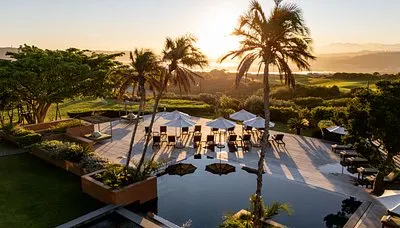
Analyzing real-world development projects highlights common design constraints, operational decisions, and risk management strategies.
Scenario 1: Maldives Island Master Plan
A developer designs a sixty-villa ultra-luxury resort on a remote coral atoll in the Indian Ocean.
Planners construct a central subterranean logistics spine beneath the island’s interior. This tunnel houses power generators, desalination units, and staff dining facilities. Housekeeping teams access overwater jetties via discrete service stairwells, keeping main walkways clear for guests.
Scenario 2: Alpine Wellness Sanctuary
An investor builds a mountainside retreat in the Swiss Alps focusing on medical wellness and privacy.
Heavy snow fall threatens daily room service delivery and staff movement. Planners design heated underground walkways connecting the main lodge to outer guest chalets. This design allows staff to deliver meals and medical equipment on time during severe winter storms.
Financial, Cost, and Resource Dynamics
Developing luxury resorts requires significant capital allocation. Understanding civil engineering costs, operational budgets, and maintenance reserves prevents funding gaps during construction.
Direct Costs vs. Hidden Infrastructure Expenses
Building guest suites represents only a portion of total capital expenditure. Off-grid power plants, wastewater treatment facilities, marine sea walls, and staff housing often account for up to forty percent of initial construction budgets.
Capital Allocation Ranges
| Development Component | Low-End Estimate (USD) | High-End Estimate (USD) | Primary Cost Drivers |
| Guest Suite / Villa | $500,000 / key | $3,500,000+ / key | Custom finishes, plunge pools |
| Utility Infrastructure | $5,000,000 total | $35,000,000 total | Solar microgrids, desalination |
| Back-of-House Facilities | $2,000,000 total | $15,000,000 total | Staff housing, kitchens, laundry |
| Landscape Engineering | $1,000,000 total | $10,000,000 total | Mature trees, coastal protection |
Long-Term Reserve Planning
Saltwater exposure, high humidity, and extreme cold cause rapid wear on resort buildings. Operators establish capital replacement reserves early to fund continuous building repairs, furniture updates, and system upgrades without interrupting property operations.
Strategic Tools and Support Systems
Modern resort management relies on specialized technology platforms, environmental systems, and engineering tools to maintain service quality and operational control.
Building Management Systems (BMS)
Smart BMS software monitors power usage, HVAC performance, and water consumption in real time. Automated sensors detect plumbing leaks, adjust villa temperatures when rooms are empty, and alert maintenance teams to equipment issues before guests notice.
Centralized Property Management Tools
Enterprise PMS networks manage guest preferences, room service orders, and spa bookings across the property. Staff access live guest updates on mobile devices, allowing them to deliver personalized service anywhere on site.
Emergency Power and Water Networks
Remote resorts maintain redundant utility systems. Backup diesel generators, solar storage batteries, and dual desalination plants ensure continuous power and clean water during regional grid outages or severe weather.
Risk Landscape and Failure Taxonomy
Identifying structural and operational failure points early helps developers protect property assets and prevent guest dissatisfaction.
Environmental Disruption Risks
Tropical storms, coastal erosion, flash floods, and wildfires pose severe threats to resort properties. Planners design sea walls, natural drainage channels, and firebreaks into the landscape to protect buildings from natural disasters.
Operational Logistics Failures
Slow room service, noisy maintenance carts, and visible trash collections degrade the luxury experience. Poorly positioned service hubs cause staff delays, driving up labor costs and lowering guest satisfaction scores.
Infrastructure Degradation
Neglecting machinery maintenance leads to costly emergency repairs and unexpected service shutdowns. Regular utility audits prevent equipment failures and keep power, water, and climate systems running smoothly.
Governance, Maintenance, and Long-Term Adaptation
Maintaining a luxury resort requires continuous operational governance, regular property audits, and structured renovation schedules.
Pre-Opening Facility Audits
Ninety days before opening, operational teams conduct thorough facility tests. Engineers audit water pressure, sound insulation, HVAC noise, and kitchen workflows under simulated full-occupancy conditions to fix issues before guests arrive.
Strategic Renovation Triggers
Resorts update furniture and decor every five to seven years to stay competitive. Major structural renovations occur every twelve to fifteen years, updating utility grids, roofs, and core building technology with minimal impact on guest stays.
Measurement, Tracking, and Evaluation
Tracking key performance indicators helps operators maintain high service standards, control utility costs, and maximize long-term asset value.
Performance Indicators Matrix
Leading indicators identify operational bottlenecks before they impact guests, such as slow maintenance response times or rising utility loads. Lagging indicators evaluate historical performance, including room revenue, guest review scores, and annual energy costs.
Operational Metrics Framework
| Metric Category | Specific Indicator | Target Standard | Strategic Value |
| Service Speed | In-Villa Dining Time | Under 30 minutes | Maintains food quality |
| Acoustics | Villa Noise Level | Below 30 dB interior | Ensures guest sleep quality |
| Utility Efficiency | Water Recycling Rate | Minimum 80% greywater | Lowers operating expenses |
| Financial | Capital Reserve Fund | 4–6% of gross revenue | Secures long-term repairs |
Essential Operational Records
Keeping clear operational records supports efficient property maintenance:
-
Engineering Audits: Detailed logs tracking HVAC performance, water purity, and generator health.
-
Service Speed Reports: Digital records monitoring room service delivery and housekeeping turnaround times.
-
Preventative Maintenance Records: Schedules documenting regular equipment servicing, roof inspections, and coastal repairs.
Common Misconceptions and Strategic Fallacies
Design errors often stem from misunderstandings about resort logistics, guest behavior, and infrastructure requirements.
Myth 1: Larger Villa Footprints Always Increase Rates
Increasing villa square footage does not automatically boost room rates. Thoughtful room layouts, high-quality finishes, outdoor privacy, and scenic views influence room pricing far more than raw floor area.
Myth 2: Hiding Back-of-House Facilities Is Easy
Developers often underestimate the space required for laundry, staff housing, kitchen prep, and utility plants. Neglecting service areas forces operators to improvise, cluttering guest zones with visible logistics.
Myth 3: Solar Power Eliminates Utility Costs
While solar panels reduce environmental impact and lower fuel costs, battery storage systems require high capital investment and regular maintenance. Solar works best when combined with efficient grid power or backup generators.
Ethical, Practical, and Contextual Considerations
Sustainable resort development balances commercial goals with environmental protection and local community support.
Environmental Stewardship
Building in delicate coastal or forest ecosystems requires strict environmental governance. Developers construct eco-friendly foundations, install advanced wastewater treatment plants, and preserve natural vegetation to protect local biodiversity.
Community Integration and Local Sourcing
Sourcing construction materials and hiring local staff strengthens relations with host communities. Resorts invest in local training programs, support regional suppliers, and fund community projects to build lasting local partnerships.
Architectural Heritage Protection
Incorporating traditional architectural styles honors regional heritage and creates authentic guest experiences. Modern resorts blend local building techniques with contemporary luxury standards to produce distinct, culturally rooted designs.
Strategic Conclusion
Evaluating top luxury resort plans requires viewing master design as an integrated management discipline. Combining spatial zoning, efficient utility infrastructure, and discrete service pathways allows developers to create world-class properties that deliver high commercial value. By prioritizing guest privacy, operational efficiency, and environmental sustainability, hospitality leaders build resilient assets that stand the test of time.