
How to Manage Flight Delay Risks: Complete Air Travel Logistics Manual
Air travel delays represent complex systemic disruptions that extend far beyond simple schedule changes. When global aviation networks experience operational friction, the resulting schedule breakdowns create severe downstream losses for business travelers and family offices alike. A single missed connection can disrupt multi-week itineraries, leading to substantial financial, personal, and professional costs.
This analytical manual explores the core mechanics of air travel contingency planning. It examines systemic aviation vulnerabilities, strategic decision models, legal protections, and risk containment strategies. Mastering these analytical principles helps frequent travelers, travel directors, and logistics teams mitigate travel disruptions with professional clarity and operational precision.
Understanding how to manage flight delay risks
Managing flight delay risks requires understanding how modern commercial aviation networks operate under stress. Air travel disruptions rarely occur in isolation. Instead, delayed flights stem from interconnected issues across air traffic control slots, aircraft routing, crew duty limitations, and airport ground operations.
Scope and Systemic Friction
At its core, flight delay management acts as an active risk containment strategy. A single commercial aircraft completes multiple flight legs across different hubs within a single operating day. Consequently, minor delays in early morning flights propagate through the network, creating compounding delays for late afternoon departures.
Proactive Planning vs. Reactive Handling
Most travelers approach flight delays reactively, waiting in line at airport customer service desks after a flight is canceled. Conversely, experienced travel strategists manage risks proactively. They analyze route vulnerabilities, monitor incoming aircraft tail numbers, and hold backup reservations before operational breakdowns occur.
Structural Oversimplifications
Relying solely on airline passenger commitment guarantees creates operational risk. While regulatory frameworks like EU261 or US DOT mandates offer financial compensation, they do not resolve immediate connection failures or restore lost meeting schedules. True risk management focuses on schedule protection rather than post-trip compensation claims.
Historical and Systemic Evolution
The mechanics of commercial flight operations have changed significantly over recent decades. Examining these historical shifts clarifies why contemporary air travel demands higher levels of personal preparation and contingency planning.
The Hub-and-Spoke Revolution
During the late 20th century, major airlines adopted hub-and-spoke routing models to maximize aircraft load factors. While this model increased airline efficiency, it created fragile logistical bottlenecks at major hub airports. Weather events or air traffic delays at a single hub now disrupt flight schedules across an entire continent.
Ultra-Lean Asset Utilization
Modern airlines operate with extremely tight fleet and crew margins to maximize profitability. Aircraft remain on the ground for minimal turnaround times, and reserve flight crews are kept at low levels. Therefore, minor operational hiccups escalate into widespread flight cancellations because airlines lack spare aircraft and crew reserves.
Digital Transparency and Systemic Overcrowding
Digital reservation engines democratized flight bookings, allowing passengers to select tight connection times across separate tickets. However, high airport capacity, crowded air routes, and changing weather patterns reduced operational flexibility across the global aviation network.
Conceptual Frameworks and Mental Models
Travel planners use structured decision models to evaluate itinerary risks and make clear, rapid choices during flight disruptions.
The Buffer Ratio Matrix
This framework evaluates connection safety by comparing layover length against airport complexity and potential flight delays. Planners calculate minimum connection buffers based on terminal layout, international customs requirements, and weather risk. Maintaining adequate connection buffers protects travelers against unexpected flight delays.
The Decoupled Routing Framework
To prevent cascading delays across multi-leg journeys, planners break long itineraries into independent travel nodes. Passengers book longer layovers or overnight hotel stops between critical long-haul flights. Decoupling routing nodes stops single flight delays from ruining downstream travel arrangements.
The Tail-Tracking Strategy
Every commercial flight connects directly to a specific aircraft tail number. Tracking the incoming aircraft’s location allows travelers to spot potential delay risks hours before airlines officially update airport departure boards. Early warnings give passengers time to rebook alternative flights before seats sell out.
Primary Categories and Variations
Flight delay mitigation strategies differ depending on route type, ticket class, and destination infrastructure. Each travel style demands unique operational safeguards.
First-Flight-of-the-Day Priority
Booking early morning departures significantly reduces flight delay risks. Aircraft are usually parked at the airport overnight, and flight crews are fully rested. Early departures avoid the compounding network delays that build up throughout the afternoon and evening.
Hub Diversification Strategies
Planners evaluate hub airports based on historical weather patterns, air traffic control congestion, and layout efficiency. Avoiding delay-prone hubs during winter months or storm seasons protects travel schedules from major weather disruptions.
Multi-Ticket Protection
When itineraries require separate airline tickets, passengers face full risk if an initial flight delay causes a missed connection. Planners use travel insurance, flexible ticket classes, or long layovers to mitigate separate-ticket connection risks.
Private Charter Integration
For critical time-sensitive events, business travelers combine commercial flights with standby private charter options. Having backup transport options available guarantees arrival times when commercial airline systems experience severe disruptions.
Flight Strategy Comparison
| Strategy | Primary Risk Reduction | Main Operational Cost | Best Use Case |
| Early Morning Departure | Avoids compound delays | Early wake-up schedule | Critical business meetings |
| Hub Diversification | Reduces weather delays | Longer transit routes | Winter / Storm travel |
| Extended Connection Buffer | Protects layovers | Increased transit time | International transfers |
| Standby Charter Protection | Guarantees arrival | High financial outlay | High-stakes corporate events |
Real-World Execution Scenarios
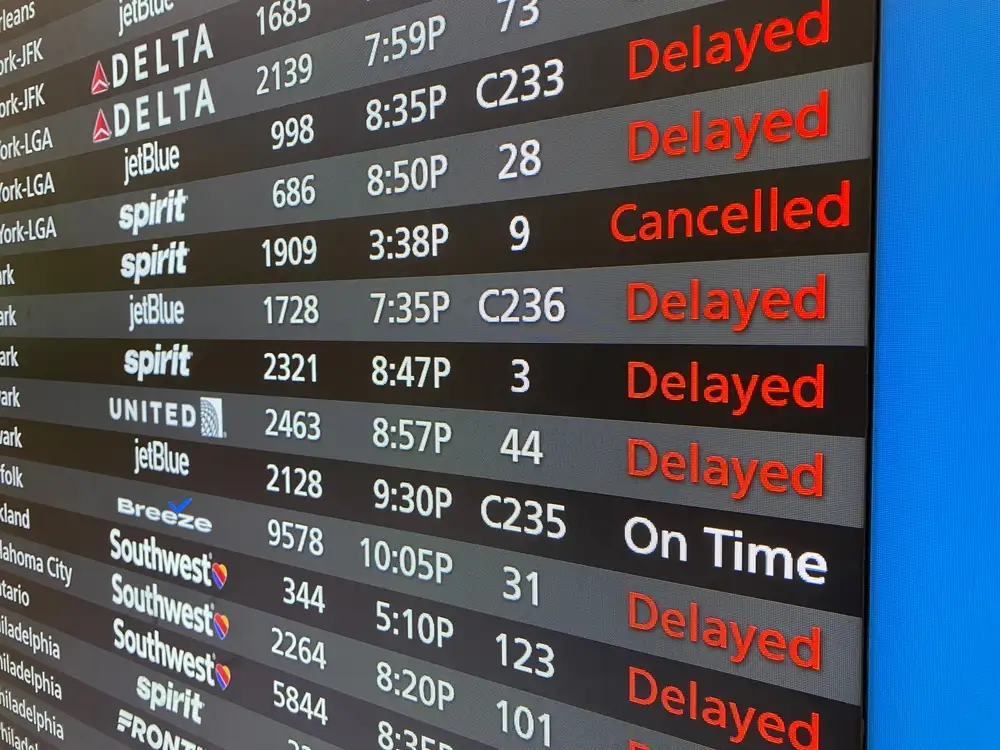
Reviewing real-world travel disruptions illustrates how proactive planning, tail tracking, and clear decision-making resolve complex flight delays.
Scenario 1: Transatlantic Winter Connection Failure
A corporate executive travels from Chicago to London via a connecting flight in New York during a severe winter snowstorm.
By tracking the incoming aircraft tail number, the traveler notices a two-hour incoming delay while still in Chicago. Using elite status customer lines, the executive rebooks a direct flight from Chicago to London before the original flight departs, avoiding a stranded overnight stay at JFK airport.
Scenario 2: Separate-Ticket Island Connection
A family travels from Los Angeles to a remote Caribbean island, combining a commercial flight to Miami with an independent island hop.
Planners schedule an four-hour layover in Miami to absorb potential domestic delays. When the flight from LAX lands ninety minutes late, the family completes international customs and catches their independent island transfer without losing their tickets or lodging deposits.
Financial, Cost, and Resource Dynamics
Managing flight delay risks involves evaluating financial trade-offs between ticket prices, flexible booking terms, and potential delay costs. Understanding these financial dynamics helps travelers allocate travel budgets effectively.
Direct Ticket Costs vs. Hidden Disruption Losses
Non-refundable, restrictive tickets seem cheaper initially, but they offer zero flexibility during flight cancellations. Paying for flexible fares, premium economy, or business class tickets provides priority rebooking access, waived change fees, and dedicated support during system-wide disruptions.
Flight Delay Expense Distribution
| Cost Category | Low-End Impact (USD) | High-End Impact (USD) | Primary Cost Drivers |
| Emergency Lodging | $150 / night | $1,200 / night | Airport proximity, room availability |
| Last-Minute Ticket Rebooking | $300 / ticket | $3,500 / ticket | Fare class, seat availability |
| Ground Transport Adjustments | $50 / transfer | $600 / transfer | Private cars, driver standby time |
| Lost Opportunity Value | Incalculable | Incalculable | Missed meetings, missed cruises |
Compensation Claims and Insurance Coverage
Regulatory protections like EU261 provide financial compensation for major airline-caused delays. However, travel insurance policies remain essential for weather-related delays, medical emergencies, and missed separate-ticket connections.
Strategic Tools and Support Systems
Modern delay management relies on specialized tracking software, elite status benefits, and dedicated support channels to resolve disruptions quickly.
Real-Time Flight Tracking Applications
Tracking software like FlightRadar24, FlightAware, and App in the Air provides live updates on aircraft positions, weather systems, and air traffic control delays. Access to live aviation data helps travelers spot flight issues before airline notifications go out.
Priority Support Channels
Airline elite status grants access to dedicated phone desks and airport lounge agents during flight disruptions. Lounge agents handle rebooking requests far faster than crowded public customer service desks, securing available seats on alternative flights quickly.
Specialized Travel Management Agencies
Corporate travel desks monitor flights 24/7. When a flight gets canceled, corporate agents automatically rebook alternative routes, secure hotel accommodations, and adjust ground transfers before the passenger even steps off the plane.
Risk Landscape and Failure Taxonomy
Analyzing common flight delay failure modes allows travelers to spot risks early and build preventive measures into their itineraries.
Mechanical Failures and Crew Duty Limits
Mechanical issues require maintenance work or aircraft swaps, leading to unpredictable delay times. Furthermore, flight crews face strict legal duty hour limits. If a delay pushes a crew over their duty limit, airlines cancel the flight unless a replacement crew is immediately available.
Air Traffic Control and Weather Hold Cascades
Severe weather events reduce airport arrival rates, forcing air traffic control to issue ground hold orders. These delays cascade across national airspace networks, stranding aircraft and crews far away from their scheduled departure airports.
Airport Terminal Misconnections
Tight layovers at sprawling international airports create high risk. Passing through security checks, terminal changes, and customs processing takes considerable time. Passengers can easily miss connecting flights even when incoming planes land on time.
Governance, Maintenance, and Long-Term Adaptation
Effective travel risk management requires continuous monitoring, pre-departure audits, and structured decision rules.
Pre-Departure Risk Audits
Twenty-four hours before departure, travelers review weather forecasts, incoming aircraft status, and connection schedules. Catching potential storm systems or fleet disruptions early allows passengers to adjust flights free of charge under airline weather waivers.
Clear Rebooking Decision Deadlines
Establishing clear decision rules prevents panic during flight delays. If a flight delay exceeds sixty minutes and threatens a tight connection, passengers should initiate backup options immediately rather than waiting for further airline updates.
Measurement, Tracking, and Evaluation
Evaluating travel logistics helps frequent travelers refine booking strategies, select reliable airlines, and minimize future delay risks.
Delay Tracking Metrics
Leading indicators evaluate itinerary risk before departure, such as historical flight on-time ratings and connection buffer times. Lagging indicators track post-trip outcomes, including total delay hours, missed connections, and insurance claim recovery rates.
Travel Evaluation Matrix
| Metric Category | Specific Indicator | Recommended Target | Strategic Value |
| Schedule Buffer | Domestic Layover Time | Minimum 90 minutes | Prevents missed flights |
| Schedule Buffer | International Layover | Minimum 180 minutes | Absorbs customs delays |
| Reliability | Flight On-Time Rating | Above 80% historical | Selects reliable routes |
| Financial | Rebooking Flexibility | Fully changeable fare | Protects ticket value |
Essential Travel Documentation
Maintaining clear records supports insurance claims and airline compensation requests:
-
Boarding Passes and Tickets: Original documents showing ticket numbers, fare classes, and seat assignments.
-
Delay Proof: Screenshot records of official airline delay notices, app alerts, and airport flight boards.
-
Expense Receipts: Detailed receipts for emergency meals, hotel stays, ground transport, and rebooked tickets.
Common Misconceptions and Strategic Fallacies
Misunderstandings about airline operations often lead travelers to make poor decisions during flight disruptions.
Myth 1: Airlines Always Provide Hotels During Delays
Airlines cover hotel costs only for delays caused directly by their operations, such as mechanical faults or crew shortages. When weather events or air traffic control holds delay flights, airlines are not legally required to provide free lodging or meals.
Myth 2: Standby Lists Guarantee Alternative Seats
During severe weather disruptions, hundreds of passengers compete for very few open seats. Relying solely on standby lists rarely works. Purchasing flexible alternative tickets or rebooking instantly via digital channels secures available seats far better.
Myth 3: Direct Flights Eliminate Delay Risks
While direct flights remove connection risks, they remain vulnerable to weather issues, mechanical problems, and air traffic delays. Early morning departure timing remains essential even on non-stop routes.
Ethical, Practical, and Contextual Considerations
Navigating flight disruptions requires professional communication, respectful interactions with airport staff, and clear knowledge of passenger rights.
Customer Service Interaction Dynamics
Gate agents and customer service representatives operate under high stress during major travel disruptions. Approaching staff politely, presenting clear rebooking options, and maintaining calm communication yields far better support than confrontational behavior.
Understanding Passenger Rights
Knowing regional aviation regulations like EU261, UK261, or US DOT rules empowers travelers to claim rightful compensation. Understanding mandatory refund policies, baggage delay coverage, and airline care duties protects passengers from unfair financial losses.
Carry-On Packing Strategies
Carrying essential items in hand luggage mitigates lost baggage risks during chaotic connection rebookings. Packing extra medications, change of clothes, device chargers, and key documents ensures comfort during unexpected overnight delays.
Strategic Conclusion
Learning how to manage flight delay risks involves viewing air travel as a dynamic logistical process rather than a guaranteed schedule. By selecting early morning departures, maintaining generous connection buffers, tracking incoming aircraft, and utilizing priority support channels, travelers protect their time and capital against systemic aviation disruptions. Applying these structured risk management strategies transforms unpredictable flight delays into manageable travel events.