Best Luxury Villa Options: A Definitive Buyer & Renter Guide
Evaluating high-end residential real estate requires a shift away from visual marketing toward structural, operational, and geographic realities. The term luxury is frequently applied to standard residential properties that simply feature high-end finishes or temporary promotional staging. True high-tier estates function as complex micro-environments that require significant ongoing capital, precise staffing structures, and strategic risk management.
Private buyers, seasonal renters, and family offices often face conflicting priorities when searching for premium residential properties. Architectural design must be weighed against environmental exposure, remote locations against logistical connectivity, and spatial privacy against access to municipal utilities. Isolating property selection from long-term operational costs frequently leads to unexpected capital expenditure and reduced asset utility.
This guide provides a comprehensive framework for evaluating high-end residential real estate across global markets. By examining geographic archetypes, ownership models, total cost structures, and operational failure modes, prospective buyers and tenants can make informed decisions grounded in long-term asset viability.
Best Luxury Villa Options
Defining the top tier of private estates requires separating superficial aesthetic touches from structural and operational reality. A property cannot be categorized purely by interior decoration, high-end kitchen appliances, or marketing narratives. True asset quality depends on prime geographical positioning, structural durability, secure legal status, and operational efficiency under long-term occupation.
Multi-Perspective Evaluation
Evaluating high-end real estate demands three distinct viewpoints:
-
The Spatial/Architectural View: Focuses on plot topography, structural orientation, climate resilience, interior flow, and building materials.
-
The Operational View: Examines daily maintenance needs, staffing facilities, utility infrastructure, security perimeters, and access roads.
-
The Financial/Legal View: Analyzes title clearings, tax obligations, zoning restrictions, insurance coverage, and exit liquidity.
Common Misunderstandings
Marketing campaigns often obscure operational challenges behind professional photography and curated staging. A oceanfront property may appear pristine during a brief viewing, yet present severe ongoing salt-spray corrosion, structural dampness, and high maintenance costs.
A common error involves treating all high-end properties as interchangeable financial instruments. Residential assets carry ongoing operational expenses that accrue regardless of occupancy. Evaluating a property requires analyzing both its purchase price and its total cost of ownership over a multi-year horizon.
Deep Contextual Background
The modern private estate has evolved from historical agrarian manors into technology-integrated residential hubs. Historically, large residential compounds were self-sustaining rural estates centered around agricultural production or regional land holding. Over the past century, global wealth accumulation, improved transport links, and international capital flows transformed these properties into global lifestyle assets.
During the mid-twentieth century, coastal Europe and specific North American enclaves established the template for modern seasonal estates. Properties in regions like the French Riviera, the Italian Lakes, and coastal California set standards for privacy, spatial scale, and tailored architectural design. Design priorities focused primarily on natural settings, physical security, and grand entertaining areas.
In recent decades, global connectivity and remote work have reshaped user expectations for high-end real estate. Modern properties must now operate as fully functional principal residences equipped with redundant power systems, high-speed data infrastructure, and advanced security. As a result, geographic isolation is no longer acceptable if it compromises essential utilities or emergency access.
Environmental shifts and strict regional zoning regulations have further altered development patterns. Strict coastal setback rules, wildfire management codes, and building restrictions limit new construction in prime locations. Consequently, existing historic properties must be retrofitted, while newly built luxury villa options must incorporate sustainable materials and independent off-grid technology to remain viable.
Conceptual Frameworks and Mental Models
The Three-Ring Accessibility Framework
This model evaluates a property based on its distance from essential infrastructure nodes:
-
Ring 1 (Primary Access): Direct proximity to international airports, emergency trauma care, and primary logistics routes (0–45 minutes).
-
Ring 2 (Secondary Services): Access to fine dining, private marina facilities, specialty retail, and recreational hubs (15–30 minutes).
-
Ring 3 (Isolation Zone): The immediate perimeter providing acoustic privacy, visual shielding, and controlled access.
Limit: Optimizing exclusively for Ring 3 privacy often compromises Ring 1 emergency access and logistical support.
The Total Asset Lifecycle Model
This framework tracks a property through four distinct operational phases:
-
Acquisition & Legal Structuring: Tax optimization, title verification, environmental audits.
-
Capital Retrofitting: Structural repairs, security updates, technology integration.
-
Operational Equilibrium: Ongoing maintenance, active staffing, seasonal preparations.
-
Liquidity Realization: Exit strategy execution, estate disposition, market re-positioning.
Limit: Assuming a linear progression can conceal sudden market shifts or unexpected infrastructure degradation.
The Utility Autonomy Matrix
Evaluates an estate’s self-sufficiency across three core resource metrics:
| Metric | Dependent State | Semi-Autonomous State | Fully Autonomous State |
| Power Infrastructure | Single grid connection | Grid + standby generator | Solar array + battery bank + dual generators |
| Water Supply | Municipal supply | Municipal supply + storage tank | On-site well + desalination + filtration |
| Communications | Single fiber connection | Dual landline providers | Satellite system + cellular backup + fiber |
Limit: High levels of autonomy significantly increase upfront capital costs and maintenance complexity.
Key Categories or Variations
Geographic and Structural Archetypes
High-end properties can be categorized into distinct architectural and geographic archetypes, each presenting unique lifestyle advantages and operational trade-offs.
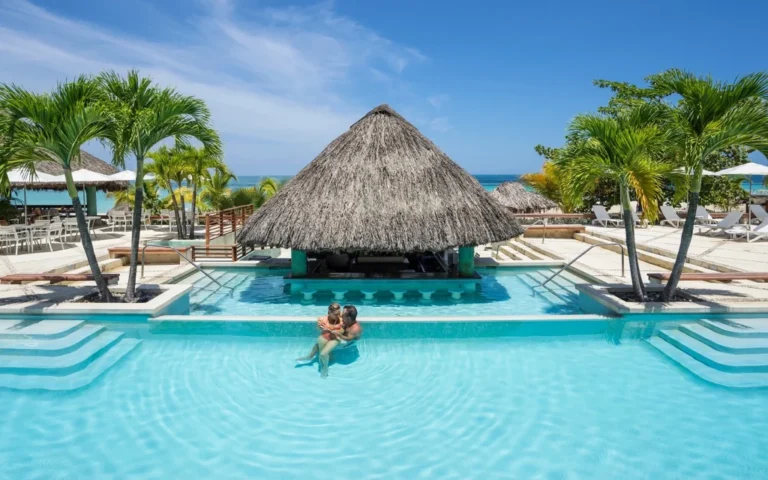
Coastal Waterfront Estates
Situated directly along ocean boundaries or private beaches, these properties offer immediate water access and unobstructed horizon views.
Trade-offs: High exposure to salt air causes accelerated degradation of mechanical systems, metal fixtures, and exterior finishes. Insurance premiums are typically elevated due to storm surge and coastal erosion risks.
Alpine and Mountain Compounds
Located in high-altitude environments, these estates emphasize privacy, dramatic topography, and direct access to winter sports.
Trade-offs: Heavy snowfall requires dedicated snow-removal equipment and specialized roof load engineering. Accessibility can be constrained during extreme winter weather events.
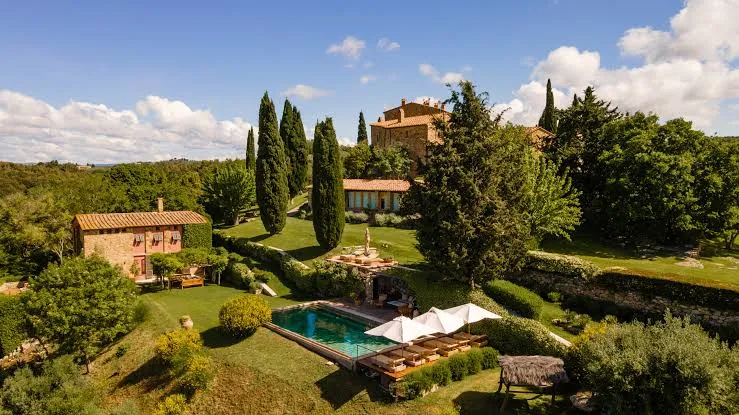
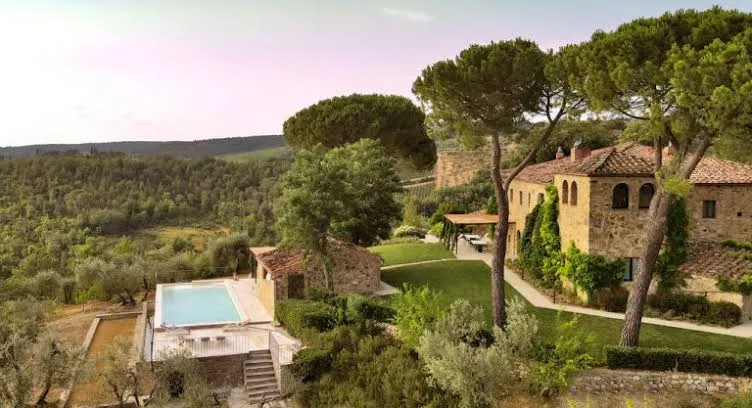
Historic Country Manors
Expansive heritage properties situated on significant acreage, often featuring historical architecture and established grounds.
Trade-offs: Historical preservation laws can limit modern structural modifications. Heating, cooling, and plumbing upgrades often require substantial capital investments.
Urban Hillside Enclaves
Elevated luxury villa options located near major urban centers, providing panoramic city views alongside rapid access to commercial districts.
Trade-offs: Steeper plot topographies increase structural retaining wall maintenance and complicate vehicular access for large service vehicles.
Island Compounds
Completely isolated estates located on private or semi-private islands, delivering maximum security and complete spatial control.
Trade-offs: All goods, fuel, staff, and maintenance materials must be transported by boat or aircraft, substantially inflating operational budgets.
Golf and Resort Integrated Residences
Homes set within managed communities, offering shared access to amenities, security perimeters, and maintained grounds.
Trade-offs: HOA regulations and architectural guidelines can restrict personal customization, while annual resort fees remain fixed regardless of usage.
Archetype Comparison Matrix
| Archetype | Primary Advantage | Major Operational Challenge | Relational Cost Profile |
| Coastal Waterfront | Direct water access | High corrosion / weather damage | Very High (Maintenance) |
| Alpine Compound | Seasonal recreation | Snow management / heating demand | High (Seasonal) |
| Historic Manor | Architectural character | Restrictive preservation rules | High (Capital Retrofit) |
| Urban Hillside | Proximity to city center | Topographical plot constraints | Moderate to High |
| Island Estate | Absolute privacy | Logistical transportation | Extremely High |
| Resort Integrated | Shared service burden | Strict community regulations | Predictable / Moderate |
Realistic Decision Logic
Choosing among the best luxury villa options requires matching operational complexity with real ownership capacity:
-
Select Resort Integrated if the goal is turnkey convenience with predictable annual overhead.
-
Select Island or Coastal Estates if absolute privacy and water access outweigh high maintenance burdens.
-
Select Urban Hillside Properties if daily professional or cultural access to a city remains essential.
Detailed Real-World Scenarios
Scenario 1: The Coastal Salt-Corrosion Failure
A private buyer acquired a oceanfront estate in a tropical climate without evaluating its HVAC and structural systems. Within eighteen months, high atmospheric salt content degraded the un-passivated exterior steel fixtures, outdoor lighting circuits, and air handler condenser coils.
The property lacked local service support for its custom European HVAC units. Replacement parts required international air freight, leaving the residence uninhabitable during humid summer months.
Primary Cause: Failure to conduct a coastal-specific engineering audit prior to purchase.
Second-Order Effect: Emergency repairs cost three times original estimates and forced the owner to relocate to temporary housing.
Scenario 2: The Isolated Alpine Winter Lockout
A family purchased an alpine estate accessible via a long private road. During an early winter storm, heavy snow blocked the route, causing a fallen tree to sever the main power line.
The generator failed to engage because its starter battery had degraded during summer dormancy. Service technicians could not clear the road for forty-eight hours, causing interior water pipes to freeze and burst.
Primary Cause: Lack of redundant power testing and absence of a contracted emergency road-clearing agreement.
Second-Order Effect: Interior water damage required a multi-month restoration project.
Scenario 3: The Historic Manor Permitting Gridlock
An investor bought a historic country estate with plans to add a subterranean spa and modern guest house.
Local heritage conservation boards rejected the design proposals, citing strict historical protection rules. The owner spent twenty-four months in administrative appeals while paying full property taxes and security overhead on an unusable site.
Primary Cause: Assuming modern modifications would receive easy approval without preliminary conservation board reviews.
Second-Order Effect: Capital was locked up in a non-functional asset, missing other investment opportunities.
Scenario 4: The Unstaffed Remote Island Estate
A tenant booked an island estate for a six-week summer stay. Heavy weather delayed the supply barge, creating shortages of fresh water and generator fuel within ten days.
The estate lacked sufficient on-site storage capacity for extended supply delays. The tenant ended the stay four weeks early due to inadequate baseline utilities.
Primary Cause: Underestimating the logistical requirements of island property management.
Second-Order Effect: The property lost significant seasonal rental income and suffered brand damage across luxury rental channels.
Planning, Cost, and Resource Dynamics
Evaluating luxury villa options requires looking beyond the base purchase price or monthly rental rate. Operating a high-end estate involves complex direct, indirect, and capital replacement expenses that accumulate over time.
Direct vs. Indirect Expenses
-
Direct Capital Costs: Purchase price, transfer taxes, legal fees, title insurance, and initial retrofitting expenses.
-
Direct Operational Expenses: Property management retainers, on-site staff salaries, utility bills, landscaping contracts, and property insurance.
-
Indirect Maintenance Sinking Funds: Scheduled reserves for roof replacements, pool resurfacing, seawall inspections, and mechanical system overhauls.
Total Cost Structure Estimates
| Expense Category | Low Complexity Estate | Moderate Complexity Estate | High Complexity Estate |
| Annual Maintenance (% of Value) | 1.0% – 1.5% | 2.0% – 3.5% | 4.0% – 7.0%+ |
| Annual Staffing Allocation | $30,000 – $75,000 | $80,000 – $200,000 | $250,000 – $600,000+ |
| Insurance Premium Range | $10,000 – $25,000 | $30,000 – $70,000 | $80,000 – $200,000+ |
| Utility Reserve Allocation | $12,000 – $24,000 | $25,000 – $50,000 | $60,000 – $150,000+ |
Tools, Strategies, and Support Systems
Managing premier properties effectively requires structured tools, modern management software, and qualified professional partners.
Essential Operational Systems
-
Property Management Software (PMS): Platforms like AppFolio or specialized private family office dashboards track preventative maintenance schedules, vendor contracts, and expense allocations.
-
Building Management Systems (BMS): Integrated hardware solutions (e.g., Crestron, Lutron, Control4) monitor mechanical health, control environmental zones, and optimize power usage.
-
Security Perimeter Platforms: Thermal cameras, automated access gates, and radar motion detectors tied into off-site monitoring stations.
-
Water Treatment & Filtration Testing: Automated sensors that monitor salinity, pH balance, and chemical levels in swimming pools and domestic water lines.
-
Redundant Communications Gateways: Starlink satellite systems paired with local cellular failover routers to maintain uninterrupted internet connectivity.
-
Preventative Equipment Logs: Digital tracking systems used by maintenance staff to document HVAC filter changes, generator load tests, and seal inspections.
Risk Landscape and Failure Modes
High-value residential assets face diverse operational risks that can lead to rapid financial devaluation or physical damage if left unmanaged.
Risk Taxonomy Matrix
| Category | Primary Threat | Root Cause | Prevention Strategy |
| Physical Hazard | Coastal erosion / Seawall breach | Unmanaged wave action / Storm surges | Annual civil engineering audits |
| Legal/Regulatory | Short-term rental prohibition | Shifting local zoning legislation | Diversified legal usage structuring |
| Operational | Total power loss during storms | Generator starter battery decay | Bi-weekly automated load tests |
| Financial | Insufficient insurance coverage | Outdated property appraisals | Annual policy updates and re-appraisals |
| Security | Unauthorized perimeter breach | Blind spots in security cameras | Layered access control & lighting |
Governance, Maintenance, and Long-Term Adaptation
Maintaining asset performance across a multi-decade horizon requires formal governance structures rather than informal oversight. Family offices and private owners should establish structured operational protocols to maintain property value.
Layered Maintenance Protocol
-
Weekly Digital Checks: Review perimeter sensors, test pool chemistry, verify automated lighting schedules, and clear drainage paths.
-
Monthly Load Tests: Run backup generators under load for sixty minutes, inspect HVAC air filters, and check water filtration pressures.
-
Quarterly Structural Inspections: Check roof surfaces, clean gutter systems, inspect retaining walls, and review physical security logs.
-
Annual Civil Audits: Hire independent structural engineers to inspect seawalls, foundation footings, tree stability, and high-voltage wiring.
Measurement, Tracking, and Evaluation
Evaluating property performance requires tracking both quantifiable metrics and qualitative indicators over time.
Quantitative and Qualitative Metrics
-
Operating Cost Variance (Quantitative): Tracks deviations between budgeted maintenance funds and actual emergency repair expenditures.
-
Unplanned Utility Downtime (Quantitative): Records total annual hours without grid power, internet connectivity, or municipal water service.
-
Staff Turnover Rate (Qualitative): High employee turnover often indicates inefficient management protocols or poor workspace conditions.
-
Vendor Response Time (Qualitative): Measures how quickly specialized service technicians reach the estate during emergency equipment failures.
Common Misconceptions and Oversimplifications
-
Myth 1: Luxury Real Estate Always Appreciates Faster Than Standard Residential Homes.
Correction: High-end estates have a smaller pool of potential buyers, which can lead to longer holding periods and higher carrying costs during market downturns.
-
Myth 2: Off-Grid Technology Eliminates Utility Operating Costs.
Correction: Solar panels, battery arrays, and desalination plants require significant initial capital and ongoing technical maintenance.
-
Myth 3: Gated Communities Eliminate All Security Risks.
Correction: Perimeter security gates provide a useful initial layer, but primary estates still require dedicated access controls and active surveillance.
-
Myth 4: Fully Automated Smart Homes are Inherently Better.
Correction: Overly complex automation systems without manual overrides can render a property unusable when software bugs or hardware failures occur.
-
Myth 5: Rental Income Easily Covers Estate Operating Costs.
Correction: High seasonal vacancy, platform commission fees, rapid wear and tear, and dedicated management retainers often reduce net rental yields.
Ethical, Practical, and Contextual Considerations
Developing or acquiring luxury villa options in isolated coastal or rural markets carries broader social and environmental responsibilities. Large residential developments can strain regional freshwater supplies, disrupt local coastal ecosystems, and distort regional housing dynamics for local populations.
Resource management strategies—such as installing rainwater harvesting systems, utilizing local building materials, and incorporating native landscaping—help minimize an estate’s environmental impact on neighboring communities. Additionally, maintaining fair labor practices for full-time domestic and maintenance staff supports positive long-term relationships within the surrounding region.
Conclusion
Selecting among the best luxury villa options requires evaluating aesthetic appeal alongside structural engineering, geographic reality, and long-term operating costs. A property should be analyzed as an integrated operational system rather than merely an architectural asset. By applying rigorous evaluation frameworks, accounting for true lifecycle expenses, and establishing proactive maintenance protocols, buyers and tenants can secure exceptional residential properties that deliver enduring comfort, operational stability, and long-term financial security.