Common Luxury Packing Mistakes: Complete Wardrobe & Protection Guide
Packing high-value wardrobes for international transit presents complex material preservation challenges. Fine garments, bespoke tailoring, rare textiles, and luxury timepieces require specialized packing techniques. Standard luggage preparation techniques often prove inadequate for protecting delicate fabrics against friction, pressure, and climate changes during transport.
Travelers frequently assume premium luggage brands provide complete protection against transit damage. However, expensive luggage cannot prevent fabric crushing, color transfer, or moisture damage caused by poor internal packing. Improper folding techniques, inadequate padding, and raw material contact damage luxury items during long flights.
Preventing garment degradation requires an analytical approach to baggage preparation. Fabric breathability, structural shoe support, liquid isolation, and climate controls must be evaluated systematically before departure. Utilizing structured packing safeguards protects high-value garments across every stage of travel.
Common Luxury Packing Mistakes
Avoiding wardrobe damage requires understanding the physical stresses imposed on delicate items during transit. Baggage handling subjects luggage to rapid pressure shifts, temperature swings, and severe mechanical vibration. Mismanaging garment placement within hard-shell or soft-sided luggage causes permanent fabric creasing, leather scarring, and structural damage.
Multi-Dimensional Evaluation
Analyzing wardrobe packing vulnerabilities demands evaluating three core operational perspectives across international travel:
-
Textile Integrity Perspective: Focuses on fiber friction, creasing vulnerability, breathability, hardware abrasion, and pressure-induced fabric compression.
-
Security & Transit Protection Perspective: Examines high-value asset concealment, customs documentation compliance, baggage tracking, and physical impact absorption.
-
Functional Utility Perspective: Assesses hotel unpacking efficiency, climate adaptability, outfit pairing versatility, and emergency laundry care.
Operational Oversimplification Risks
A frequent error involves packing delicate natural fibers like silk, cashmere, and fine wool in sealed plastic bags. Plastic traps ambient humidity inside the bag, creating micro-climates that foster fabric mildew and permanent creasing. Breathable cotton garment covers or acid-free tissue paper provide vastly superior fabric protection.
Another common oversight involves packing heavy leather footwear above soft tailoring inside luggage compartments. Movement during transit causes heavy shoe soles to crush structured suit jackets, damaging canvas chest pieces beyond repair. Placing heavy items at the luggage base preserves jacket structure.
Deep Contextual Background
Wardrobe transport has evolved alongside global transit systems. Historically, elite travelers moved with heavy wooden wardrobe trunks lined with velvet and brass fittings. Steamships and private rail cars provided ample space, allowing garments to travel hanging upright without folding or compression.
Aviation Constraints and Material Shifts
The expansion of commercial aviation imposed strict weight limits and compact luggage dimensions on passengers. Consequently, travelers transitioned from spacious trunks to flexible soft-sided bags and rigid polycarbonate suitcases. Modern hard-shell suitcases provide excellent exterior impact resistance, but lack internal hanging mechanisms, forcing garments to be folded tightly.
Modern High-Performance Textiles
Contemporary luxury fashion incorporates delicate natural weaves, delicate embellishments, and technical composite materials. These sophisticated textiles require careful handling during transport. Understanding modern fabric properties enables travelers to choose appropriate packing methods that maintain garment structure.
Conceptual Frameworks and Mental Models
The Garment Friction Protection Matrix
This analytical framework evaluates wardrobe packing safety by matching fabric vulnerability against internal friction controls:
-
Surface Abrasion Risk: Identifies sharp hardware, sequins, zippers, and heavy shoe buckles that can snag delicate weaves.
-
Fiber Compression Limit: Measures how much pressure fabrics like velvet, cashmere, and structured wool can endure before fibers flatten permanently.
-
Interlayer Barrier Application: Places smooth silk sheets or acid-free tissue paper between garments to eliminate fabric friction.
-
Weight Distribution Layout: Positions heavier leather items at the bottom of the suitcase to shield lightweight fabrics from crushing forces.
The Layered Density Packing Model
This model organizes luggage space according to item density and structural rigidity:
-
Base Layer (Heavy / Rigid): Footwear stuffed with shoe trees, leather wash bags, and heavy outerwear placed near the wheels.
-
Core Layer (Structured Tailoring): Suit jackets, evening gowns, and trousers folded with acid-free tissue paper and laid flat.
-
Top Layer (Delicate / Flexible): Silk shirts, fine knitwear, and delicate accessories placed loosely on top to prevent compression.
The Transit Protection Spectrum
Evaluates packing containment strategies based on material safety, weight overhead, and unpacking convenience:
| Packing Strategy | Fabric Friction Protection | Structural Crease Defense | Weight Efficiency Overhead |
| Traditional Rolling | Low (Fabric friction) | Moderate (Eliminates hard folds) | Maximum Space Efficiency |
| Tissue Bundle Folding | High (Barrier protection) | Very High (Pads fold lines) | Moderate Overhead |
| Hanging Garment Bags | Very High | Maximum (Minimal folding) | High Weight / Bulk |
Key Categories or Variations
Primary Wardrobe Packing Errors
Understanding frequent packing mistakes helps travelers protect high-value garments during transport.
Direct Leather-to-Textile Contact
Placing unbagged leather shoes or belts directly against light-colored silk or linen garments.
Trade-offs: Saves time during packing, but causes unrecoverable oil transfers and dye stains on light fabrics.
Unprotected Tailoring Canvas Crushing
Folding structured suit jackets flat without padding the shoulders or chest canvas support layers.
Trade-offs: Maximizes available luggage space, but deforms internal canvas chest pieces, requiring professional pressing.
Overpacking Hard-Shell Luggage
Forcing rigid suitcase closures shut over compressed wool suitings and delicate dresses.
Trade-offs: Packs more outfits into a single bag, but causes deep fabric creasing and risks zipper failure during transit.
Liquid Isolation Failures
Packing high-end toiletries, perfumes, or cosmetics alongside bespoke clothing without waterproof protection.
Trade-offs: Keeps vanity items accessible, but risks severe fluid leaks from cabin pressure drops.
Mismanaging Timepiece Transport
Packing valuable mechanical watches inside checked luggage rather than carrying them securely in cabin hand luggage.
Trade-offs: Frees up carry-on space, but exposes fine timepieces to theft, baggage loss, and shock damage.
Plastic Dry-Cleaning Cover Usage
Leaving garments wrapped in thin plastic dry-cleaning bags inside luggage compartments during travel.
Trade-offs: Convenient for quick packing, but traps humidity and off-gasses chemicals that yellow light-colored fabrics over time.
Error Classification Comparison Matrix
| Error Type | Garment Damage Severity | Repair Complexity | Prevention Strategy |
| Direct Leather Dye Stain | Severe (Often permanent) | Unrecoverable | Encase shoes in soft flannel dust bags |
| Crushed Jacket Canvas | High | Requires Master Presser | Pad shoulders with tissue paper |
| Pressure Creasing | Moderate to High | Steam / Pressing Required | Maintain 10% volume safety buffer |
| Toiletrie Fluid Leak | Severe | Professional Dry Clean | Double-seal liquids in rigid cases |
| In-Luggage Watch Theft | Total Loss | Unrecoverable | Keep timepieces in carry-on cases |
| Trapped Plastic Humidity | Moderate | Airing / Cleaning Needed | Use breathable cotton garment bags |
Practical Mitigation Logic
Applying systematic packing steps protects high-value wardrobes across every journey:
-
Use Soft Flannel Bags for all leather shoes, belts, and metal accessories to stop dye transfers and metal snags.
-
Pad Suit Jackets with Tissue Paper along sleeves and shoulders to preserve internal canvas structures.
-
Carry Valuable Jewelry and Watches exclusively in personal carry-on bags to prevent theft and transit loss.
Detailed Real-World Scenarios
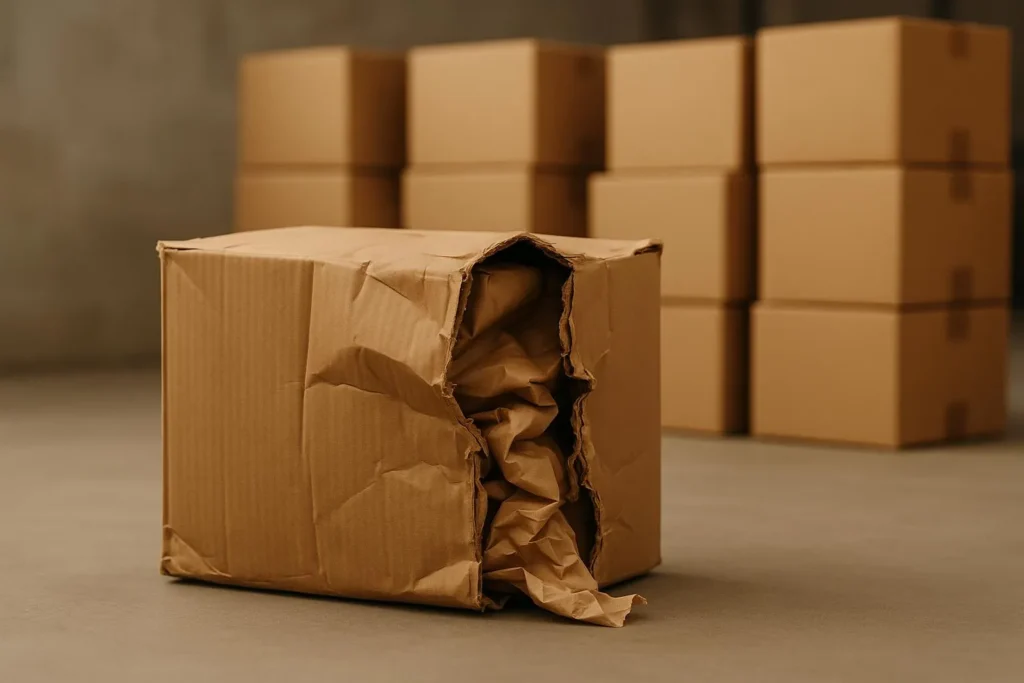
Scenario 1: The Crushed Eveningwear Disaster
A traveler packed a embellished silk evening gown into an overstuffed hard-shell suitcase for an international gala.
The heavy suitcase lid compressed the dress against sharp sequined borders, snagging silk panels and crushing structured seams.
Primary Cause: Failing to wrap embellished garments in tissue paper barriers before placing them into a high-pressure suitcase.
Second-Order Effect: The gown suffered permanent fabric damage, forcing the traveler to buy a last-minute local replacement outfit.
Scenario 2: The Perfume Bottle Pressure Leak
A passenger stored a glass perfume bottle inside a soft wash bag next to bespoke wool suits in checked luggage.
Cargo bay pressure changes unsealed the bottle cap, spilling concentrated fragrance oil across two bespoke suits.
Primary Cause: Packing liquid containers alongside tailored clothing without using pressure-sealed waterproof travel cases.
Second-Order Effect: Fragrance oils permanently stained suit linings, rendering both garments unwearable for scheduled meetings.
Scenario 3: The Scratched Leather Handbag
A luxury leather handbag was packed flat inside a suitcase beneath heavy footwear without internal stuffing.
Transit movements pressed shoe buckles against the soft calfskin exterior, leaving deep scratches and collapsing the bag structure.
Primary Cause: Transporting structured leather goods without internal bubble padding or protective flannel storage covers.
Second-Order Effect: The leather handbag suffered permanent structural deformation, reducing its aesthetic and resale value.
Scenario 4: The Checked Timepiece Loss
A traveler packed three valuable mechanical watches inside checked luggage during a multi-city international flight.
The suitcase experienced transit delays, and two watches vanished from the internal pocket before the luggage was returned.
Primary Cause: Placing small high-value items in checked baggage instead of keeping them in cabin hand luggage.
Second-Order Effect: Insurance claims were capped by standard carrier baggage liability limits, causing substantial financial losses.
Planning, Cost, and Resource Dynamics
Protecting luxury wardrobes requires investing in quality packing accessories, protective travel cases, and specialized transport insurance.
Direct vs. Indirect Expenses
-
Protective Travel Equipment: Outlays for cedar shoe trees, acid-free tissue paper, breathable cotton garment bags, and waterproof travel cases.
-
Post-Transit Restoration: Expenses incurred for hotel pressing services, local dry cleaning, and emergency garment repairs upon arrival.
-
High-Value Asset Protection: Supplemental insurance policies protecting bespoke wardrobes, fine jewelry, and luxury timepieces against transit loss.
Estimated Equipment Investments and Savings
| Protection Category | Initial Equipment Cost | Wardrobe Value Protected | Restoration Cost Savings |
| Acid-Free Tissue Paper | $15 – $35 | $5,000 – $20,000 | $150 – $300 (Pressing Fees) |
| Cedar Shoe Trees | $30 – $60 / pair | $800 – $2,500 / pair | Preserves leather structure |
| Cotton Garment Covers | $25 – $50 / bag | $2,000 – $10,000 / item | Prevents yellowing & friction |
| Rigid Toiletrie Travel Cases | $80 – $250 | Entire Suitcase Contents | $1,000 – $5,000+ (Spill Damage) |
Tools, Strategies, and Support Systems
Mitigating wardrobe transit risks relies on specialized packing tools, protective materials, and professional valet services.
Essential Preservation Systems
-
Acid-Free Tissue Paper: Soft, non-reactive paper used to pad garment folds, absorb shock, and prevent color transfers.
-
Breathable Cotton Garment Bags: Natural fabric covers that shield clothes from dust and friction while letting air circulate freely.
-
Custom Cedar Shoe Trees: Sculpted wooden inserts that maintain leather shoe shapes, absorb moisture, and smooth out upper creases.
-
Waterproof Hard Shell Utility Cases: Pressure-sealed containment cases designed to prevent toiletry leaks during flight altitude shifts.
-
Travel Garment Steamers: Compact heating devices used to gently relax minor fabric creases in hotel rooms without harsh iron heat.
-
Microfiber Flannel Shoe Dust Bags: Soft fabric pouches that prevent leather shoes and metal hardware from scratching adjacent garments.
Risk Landscape and Failure Modes
Transporting high-value wardrobes involves material, environmental, and security risks that require proactive preparation.
Risk Taxonomy Matrix
| Category | Primary Threat | Root Cause | Prevention Strategy |
| Physical Material | Canvas chest piece crushing | Overpacking tailored jackets without shoulder padding | Pad suit shoulders with tissue paper bundles |
| Environmental | Mildew & color yellowing | Sealing natural fabrics in plastic bags | Use breathable cotton garment bags |
| Fluid Spill | Cosmetic & perfume leaks | Altitude pressure drops unsealing bottles | Seal liquids in rigid pressure-proof cases |
| Security Risk | Theft of high-value items | Checking watches or jewelry in main luggage | Keep high-value assets in carry-on bags |
| Surface Damage | Dye transfer & leather scratches | Unprotected leather goods touching light textiles | Encase leather items in flannel dust bags |
Governance, Maintenance, and Long-Term Adaptation
Applying structured inspection steps before closing suitcases ensures garment protection, liquid containment, and asset security.
Layered Pre-Departure Protocol
-
Hardware & Dye Isolation Audit: Encase every pair of leather shoes, belts, and metal accessories in soft flannel dust bags before packing.
-
Structure & Fold Cushioning: Pad jacket shoulders, trousers, and silk dresses with acid-free tissue paper to soften fold lines.
-
Pressure & Volume Verification: Confirm the suitcase closes easily without forcing zippers, keeping a 10% volume buffer to prevent compression.
-
Valuables & Fluid Isolation: Secure timepieces in hand luggage and lock all liquid toiletries inside pressure-sealed hard cases.
Measurement, Tracking, and Evaluation
Monitoring wardrobe transit care involves tracking fabric condition indicators and post-travel restoration expenses over time.
Quantitative and Qualitative Metrics
-
Post-Travel Pressing Outlay (Quantitative): Measures total money spent on hotel pressing and dry cleaning services after arriving.
-
Damaged Garment Ratio (Quantitative): Tracks the percentage of packed clothing that suffers transit damage or permanent creasing.
-
Fabric Structure Integrity (Qualitative): Assesses suit canvas crispness, silk smoothness, and leather shoe shape post-flight.
-
Unpacking Efficiency Rating (Qualitative): Evaluates how quickly garments can be hung up and worn directly from the suitcase.
Common Misconceptions and Oversimplifications
-
Myth 1: Expensive Hard-Shell Suitcases Eliminate the Need for Internal Padding.
Correction: Hard shells protect against external drops, but internal pressure still crushes unpadded tailoring and delicate weaves.
-
Myth 2: Rolling Clothes Is Always Better Than Folding for Every Garment Type.
Correction: Rolling works well for casual knits, but deforms structured suits, formal shirts, and delicate silk dresses.
-
Myth 3: Plastic Dry-Cleaning Bags Are Great for Travel Protection.
Correction: Plastic bags trap ambient moisture, off-gas harmful chemicals, and foster yellowing in natural fibers over time.
-
Myth 4: Steamers Can Instantly Fix Severely Crushed Suit Canvases.
Correction: Heavy steam can shrink wool canvas interlinings; crushed suit jackets require professional pressers.
-
Myth 5: Checking High-Value Jewelry in Locked Suitcases Is Safe.
Correction: Luggage locks offer minimal security; high-value assets should always remain in carry-on custody.
Ethical, Practical, and Contextual Considerations
Preserving fine garments through careful packing extends wardrobe lifespans and reduces unnecessary textile consumption. High-quality natural wools, silks, and hand-crafted leathers represent significant artisanal labor and natural resources.
Additionally, using reusable cotton garment covers, wooden shoe trees, and durable travel cases eliminates single-use plastic waste during travel. Caring for fine garments during transit supports sustainable fashion principles and honors master craftsmanship.
Conclusion
Avoiding common luxury packing mistakes requires replacing hasty luggage stuffing with structured textile care protocols. High-value garments remain vulnerable to friction damage, crushing pressure, fluid leaks, and moisture buildup during flight transit. By cushioning suit structures with tissue paper, encasing leathers in flannel bags, isolating liquids in pressure cases, and keeping timepieces in carry-on custody, travelers ensure their wardrobes arrive pristine, unblemished, and ready to wear.