Luxury Safari Trip Plans: Complete Itinerary & Logistics Guide
Structuring high-tier wilderness travel across the African continent requires careful attention to geographic, seasonal, and logistical realities. High-end wilderness journeys are often depicted as effortless sequences of remote lodge stays connected by seamless bush flights. In practice, private wilderness expeditions operate as complex logistical exercises where regional weather patterns, air transfer constraints, land tenure models, and wildlife movements intersect.
Travelers and travel planners must balance competing variables when structuring long-range itineraries. Wildlife density targets must be weighed against travel fatigue, open vehicle access against strict national park regulations, and prime seasonal movements against extreme occupancy compression. Overlooking regional transport logistics or seasonal weather transitions frequently leads to wasted transit days and reduced wildlife viewing quality.
This comprehensive guide presents an analytical framework for evaluating high-end African wilderness itineraries across major regional circuits. By examining regional ecosystems, transport mechanics, total cost structures, and risk factors, readers can make informed choices tailored to specific travel objectives.
Luxury Safari Trip Plans
Developing effective luxury safari trip plans requires separating superficial luxury amenities from foundational ecological access. True itinerary quality depends on private concession privileges, expert guide quality, low vehicle density, and strategic positioning within dynamic ecosystems. High-thread-count linens or gourmet dining cannot offset poorly timed seasonal positioning or crowded national park corridors.
Multi-Perspective Evaluation
Designing wilderness itineraries requires balancing three distinct operational perspectives:
-
Ecological Perspective: Focuses on rainfall cycles, migratory movements, seasonal vegetation density, predator concentration, and waterhole hydrology.
-
Logistical Perspective: Analyzes bush airstrip connectivity, weight limits for light aircraft, luggage restrictions, border crossing procedures, and transfer timing.
-
Conservation Perspective: Evaluates land lease structures, community benefit sharing, anti-poaching funding models, and low-impact footprint compliance.
Common Misunderstandings
Brochures frequently present sub-Saharan Africa as a single, uniform destination with static wildlife viewing year-round. An itinerary planned for Tanzania’s Serengeti during the dry season requires entirely different routing than one planned during the green season calving period.
Another frequent error involves over-scheduling multiple distant properties within a short timeframe. Moving between isolated reserves every two nights generates perpetual travel fatigue while drastically reducing active time spent in the field.
Deep Contextual Background
Modern private wilderness travel has transformed from historical hunting expeditions into conservation-driven photographic journeys. Early twentieth-century expeditions relied on extensive mobile supply trains, large support crews, and heavy equipment transported slowly across unmapped terrain. These early journeys established the foundational aesthetic of safari camps, yet their ecological impact was primarily extractive.
During the mid-twentieth century, African nations established primary national park systems to protect declining wildlife populations. While these public reserves preserved critical habitat, rising tourism volume gradually led to vehicle congestion along major transit routes.
Evolution of Private Concessions
In response to public park crowd density, private conservation models emerged throughout Southern and East Africa during the late twentieth century. Landowners and indigenous communities began leasing contiguous parcels to eco-tourism operators under strict low-bed-density agreements.
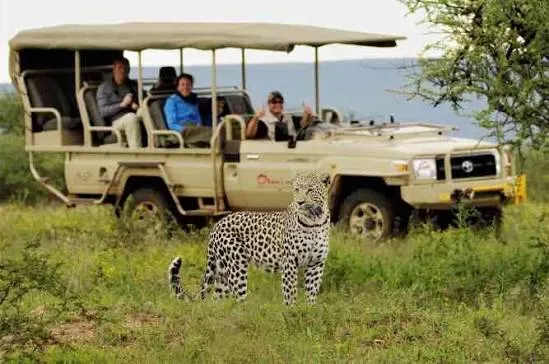
These private concessions introduced flexible off-road tracking capabilities, night game drives, and guided walking safaris that remain strictly prohibited inside standard national parks. Consequently, modern high-end itineraries prioritize private concession access to ensure uncrowded, high-quality wildlife encounters.
Conceptual Frameworks and Mental Models
The Three-Tier Ecosystem Access Model
This framework categorizes reserve access levels based on spatial privacy and operational freedom:
-
Tier 1 (Private Concessions): Exclusive land leases featuring strict limits on guest vehicles, off-road tracking permissions, and private night drives.
-
Tier 2 (Shared Reserve Boundaries): Unfenced buffer zones adjacent to major parks offering moderate vehicle density and partial operational freedom.
-
Tier 3 (Public National Parks): High wildlife densities paired with heavy vehicle traffic, fixed road stay requirements, and strict sunset closure times.
Limit: Tier 1 private concessions generally carry higher nightly costs and require advance booking due to low bed capacities.
The Seasonal Convergence Matrix
This model evaluates wildlife visibility by intersecting seasonal rainfall patterns with surface water availability:
| Seasonal State | Vegetation Density | Surface Water Availability | Wildlife Dispersion Pattern |
| Peak Dry Season | Minimal / Low | Concentrated in primary rivers | High concentration around water sources |
| Transitional Shoulder | Moderate | Dispersed rain pools forming | Secondary movements toward new grazing |
| Peak Green Season | Dense / High | Abundant surface water across plains | Wide dispersion; birthing season begins |
The Hub-and-Spoke Logistics Model
Tracks transit efficiency by organizing lodge stays around central aviation hubs rather than fragmented overland drives.
Limit: Relying exclusively on light aircraft transfers exposes travelers to weather delays and strict soft-sided luggage weight limits (15–20 kg).
Key Categories or Variations
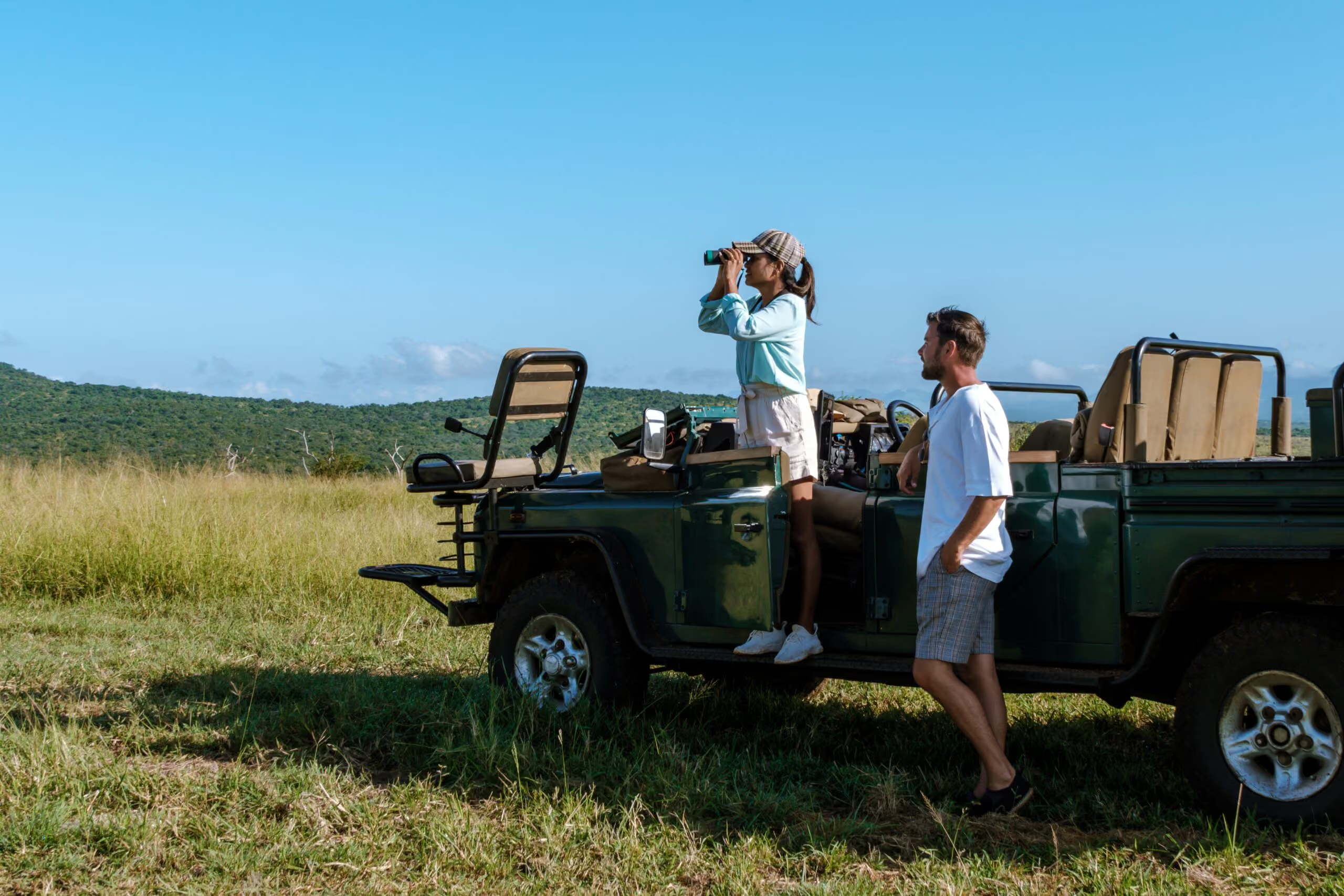
Regional Safari Circuits
African wilderness destinations fall into distinct geographic circuits, each defined by unique landscapes, logistics, and wildlife concentrations.
The East Africa Migration Circuit (Kenya & Tanzania)
Home to the Great Wildebeest Migration, featuring open savannah landscapes, massive herds, and dramatic river crossings.
Trade-offs: High seasonal tourist volume requires staying in private conservancies to avoid vehicle crowding near public river crossing points.
The Okavango Delta Water Circuit (Botswana)
A lush inland delta in the Kalahari Desert offering seasonal mokoro (dugout canoe) excursions, boating safaris, and high-density land tracks.
Trade-offs: Premium pricing structure due to remote fly-in logistics and strict low-impact environmental regulations.
The Greater Kruger & Lowveld Circuit (South Africa)
Renowned for private game reserves like Sabi Sabi and Mala Mala, offering high-density Big Five sightings and luxurious infrastructure.
Trade-offs: Less wild or expansive than East Africa, with fenced reserve perimeters in specific peripheral zones.
The Greater Luangwa & Zambezi Valley Circuit (Zambia)
The birthplace of walking safaris, delivering immersive wilderness experiences along major river systems.
Trade-offs: More rustic camp infrastructure and seasonal closures during heavy summer rains (January to March).
The Namib Desert & Skeleton Coast Circuit (Namibia)
Focuses on desert-adapted wildlife, dramatic dune landscapes, and remote coastal geology rather than high herd density.
Trade-offs: Longer flight distances between camps and lower overall game concentrations compared to fertile river systems.
Circuit Comparison Matrix
| Circuit Region | Key Wildlife Feature | Primary Transport Method | Relational Cost Profile |
| Serengeti / Mara | Great Migration & Big Cats | Light Aircraft & 4×4 Land Cruisers | High to Very High |
| Okavango Delta | Waterways & Wild Dogs | Light Aircraft & Watercraft / 4×4 | Extremely High |
| Greater Kruger | High-Density Big Five | Direct Charter / Commercial Air Link | Moderate to Very High |
| South Luangwa | Walking Safaris & Leopards | Light Aircraft & Open 4x4s | Moderate to High |
| Namib Desert | Desert-Adapted Elephants | Scenic Fly-in Charters | High |
Realistic Decision Logic
Selecting the right circuit requires matching travel goals with physical comfort preferences:
-
Select Greater Kruger or Okavango Delta for high-density, low-effort wildlife viewing with minimal transit friction.
-
Select East Africa (Mara/Serengeti) if witnessing massive herd migrations and wide open savannahs is the top priority.
-
Select Zambia or Namibia if seeking active walking itineraries, low crowd footprints, or dramatic desert geology.
Detailed Real-World Scenarios
Scenario 1: The Mis-Timed Migration Chase
A family booked a high-end lodge in the Southern Serengeti for an August stay, expecting to see dramatic river crossings.
By August, the herds had moved 150 miles north to the Mara River corridor near the Kenyan border. The family spent long, dusty hours traveling north, missing planned afternoon game drives.
Primary Cause: Failing to align lodge bookings with seasonal migratory herd movements.
Second-Order Effect: Extra flight transfers added costs and caused severe travel fatigue.
Scenario 2: The Hard Suitcase Logistics Lockout
Travelers booked a multi-camp fly-in safari through Botswana using hard-sided rolling suitcases weighing 28 kg each.
The light aircraft pilot refused the luggage because hard bags could not fit into the aircraft belly pod. The travelers were forced to leave their main bags in a storage facility and repack into soft holdalls, leaving personal items behind.
Primary Cause: Ignoring strict light-aircraft luggage constraints (soft bags, 15–20 kg weight limits).
Second-Order Effect: Stressful repacking at the airstrip delayed flight departures for all passengers.
Scenario 3: Public Park Congestion Stress
An investor booked a high-end lodge located directly inside a public national park during peak season. While the lodge was luxurious, every predator sighting was swarmed by forty uncoordinated mini-buses.
Vehicles were forbidden from leaving paved roads, preventing guests from following animals into the brush.
Primary Cause: Prioritizing lodge luxury over private concession land rights.
Second-Order Effect: The traveler experienced frustrated viewing conditions despite paying top-tier nightly rates.
Scenario 4: The Green Season Washout
A couple booked a walking safari in Zambia during late January to take advantage of lower green season rates. Exceptional rainfall flooded local tracks, making walking paths impassable and driving many animals into thick brush.
Most seasonal walking camps were closed, forcing the guests to stay at a central river lodge with limited game viewing options.
Primary Cause: Booking an active walking safari during the wettest month of the year without checking seasonal camp availability.
Second-Order Effect: The couple spent most of their stay indoors, missing their core trip goals.
Planning, Cost, and Resource Dynamics
Structuring luxury safari trip plans involves evaluating complex cost models where nightly rates include diverse land privileges, aviation, and conservation levies.
Direct vs. Indirect Expenses
-
Direct Accommodation Rates: Comprehensive fully-inclusive rates covering lodging, game drives, meals, house wines/spirits, and basic laundry services.
-
Regional Logistics Fees: Light aircraft bush charters, commercial regional connection flights, private land transfers, and meet-and-assist airport services.
-
Conservation & Community Levies: Daily park entrance fees, private concession bed levies, and dedicated community development funds.
Total Cost Structure Ranges
| Spend Category | Standard Luxury ($/person/night) | High-End Luxury (/person/night)∣Ultra−Tier/PrivateUse(/person/night) |
| All-Inclusive Accommodation | $1,200 – $1,800 | $2,200 – $3,500 |
| Light Aircraft Transfers | $300 – $600 | $600 – $1,200 |
| Conservation/Park Levies | $100 – $200 | $200 – $400 |
| Private Vehicle Upgrade | $400 – $700 / day | $800 – $1,500 / day |
Tools, Strategies, and Support Systems
Executing seamless wilderness travel requires using specialized planning platforms, expert flight tracking tools, and local support teams.
Essential Management Systems
-
Aviation Logistics Apps: Tools like Wingo or regional charter trackers monitor light-aircraft positioning across bush airstrips.
-
Satellite Communication Units: Garmin inReach or Iridium handsets provide real-time messaging and emergency tracking in remote regions lacking cellular coverage.
-
Wet & Dry Season Rain Trackers: Satellite weather monitoring systems help map localized rainfall patterns to anticipate wildlife movements.
-
Expert Local Ground Handlers: On-the-ground safari specialists manage airport transfers, custom clearance, and medical evacuation arrangements.
-
Private Vehicle Upgrades: Securing exclusive use of a 4×4 game viewer eliminates conflicting guest schedules and allows tailored photography sessions.
-
Medical Evacuation Coverage: Specialized emergency policies (e.g., Flying Doctors / AMREF) ensure rapid air ambulance response from remote airstrips.
Risk Landscape and Failure Modes
High-tier African itineraries face environmental, operational, and medical risks that must be managed through careful planning.
Risk Taxonomy Matrix
| Category | Primary Threat | Root Cause | Prevention Strategy |
| Environmental | Extreme weather / Flooded roads | Unseasonal heavy rainfall | Book camps with elevated all-weather tracks |
| Operational | Light aircraft baggage rejection | Hard luggage usage / Weight limits | Pre-pack soft duffel bags under 15–20 kg |
| Health / Safety | Vector-borne illnesses (Malaria) | Exposure in endemic zones | Prophylactics & insect repellent protocols |
| Logistical | Missed international connections | Bush flight delays | Schedule buffer night near hub airports |
| Regulatory | Sudden visa/passport updates | Shifting immigration policies | Verify passport validity (6 months, blank pages) |
Governance, Maintenance, and Long-Term Adaptation
Designing resilient wilderness itineraries requires applying structured review protocols before finalizing travel bookings.
Layered Pre-Trip Inspection Protocol
-
6 Months Out: Confirm seasonal alignment with wildlife movements, review visa requirements, and check passport blank page counts.
-
3 Months Out: Finalize medical preparations (malaria prophylaxis, yellow fever cards), confirm soft-sided luggage dimensions, and lock in private guide requests.
-
1 Month Out: Re-verify light aircraft weight limits, double-check dietary preferences with camps, and review emergency medical evacuation coverages.
-
Final Week: Track regional weather trends, confirm ground handler contact details, and secure physical copies of flight vouchers.
Measurement, Tracking, and Evaluation
Evaluating the success of a luxury wilderness itinerary involves tracking key operational metrics alongside qualitative personal goals.
Quantitative and Qualitative Metrics
-
Field Time vs. Transit Time Ratio (Quantitative): Measures total hours spent on active game drives against hours spent traveling between camps.
-
Average Vehicle Density per Sighting (Quantitative): Tracks the average number of vehicles present at major predator sightings.
-
Guide Professionalism & Tracking Skill (Qualitative): Evaluates the guide’s safety standards, ecological knowledge, and tracking ability.
-
Spatial Privacy & Camp Ambiance (Qualitative): Assesses visual and acoustic isolation from neighboring lodges or public park roads.
Common Misconceptions and Oversimplifications
-
Myth 1: Luxury Safaris Are Always Safe from Overcrowding.
Correction: Staying at a five-star lodge inside a public national park still exposes guests to heavy public vehicle traffic at key sightings.
-
Myth 2: The Great Migration is a Single, One-Day Event.
Correction: The migration is a year-round circular movement driven by rain, covering hundreds of miles across two countries.
-
Myth 3: More Lodges per Week Delivers a Better Safari Experience.
Correction: Changing lodges every two nights generates constant air transit stress, drastically cutting into prime early morning game viewing time.
-
Myth 4: Malaria-Free Safari Regions Are Inferior for Game Viewing.
Correction: Reserves like Madikwe and the Eastern Cape in South Africa offer high-density Big Five viewing in completely malaria-free zones.
-
Myth 5: Green Season Traveling Is Always a Poor Choice.
Correction: The green season brings lower rates, fewer tourists, newborn animals, excellent migratory birding, and lush green backdrops for photography.
Ethical, Practical, and Contextual Considerations
High-end wilderness travel plays a direct role in funding wildlife conservation and supporting rural communities. Private concessions rely on bed levies and lease fees to finance anti-poaching units, wildlife monitoring, and habitat restoration.
Choosing ethical safari operators ensures that local communities share in eco-tourism revenues through fair wages, local employment, and social infrastructure projects. Selecting eco-friendly camps operating on solar power, treating waste water, and eliminating single-use plastics helps protect delicate wild ecosystems for generations to come.
Conclusion
Structuring luxury safari trip plans requires balancing lodging comfort with private land access, seasonal weather timing, and efficient logistics. A well-designed safari itinerary avoids over-scheduling, minimizes travel friction, and prioritizes private concession access over crowded public parks. By understanding regional ecosystems, adhering to light-aircraft travel limits, and selecting conservation-focused operators, travelers can enjoy an extraordinary, deeply meaningful journey into Africa’s wild spaces.