Best Luxury Travel for Seniors: High-End Itineraries & Logistics
Evaluating high-tier travel options for mature adults requires a shift from superficial marketing claims to rigorous operational design. High-end journeys are often presented as seamless sequences of opulent stays and private transfers. In practice, long-range itineraries for senior travelers operate as complex logistical exercises. Local transport availability, medical access infrastructure, pace management, and physical mobility thresholds intersect constantly.
Travel planners and senior travelers must weigh competing variables when structuring global journeys. Immersive cultural exploration targets must be balanced against fatigue recovery windows. Remote natural access must be evaluated against emergency medical transport proximity. Overlooking transit friction or elevation changes frequently leads to physical exhaustion, health complications, and reduced travel satisfaction.
This analysis provides a comprehensive framework for structuring high-end journeys tailored to mature travelers across global markets. By systematically reviewing travel styles, mobility accommodations, health contingency planning, total cost dynamics, and risk management, consumers can make informed choices based on personal capability and travel goals.
Best Luxury Travel for Seniors
Defining top-tier travel options for mature individuals requires separating lavish aesthetic touches from functional operational support. High-tier travel quality depends on private transit logistics, experienced local personnel, pacing control, and medical contingencies. Thread-count metrics or gourmet dining cannot offset poorly managed airport transfers, inaccessible historical sites, or abrupt itinerary changes.
Multi-Perspective Evaluation
Evaluating high-end senior travel demands three distinct operational perspectives:
-
Pacing & Mobility Perspective: Focuses on walkability ratings, stair counts, rest intervals, transfer friction, luggage handling, and climate adaptability.
-
Medical & Safety Perspective: Examines proximity to accredited hospitals, travel health insurance coverage, prescription availability, and emergency evacuation access.
-
Enrichment & Autonomy Perspective: Analyzes access to expert lecturers, flexible daily schedules, small-group sizes, and private vehicle staging.
Common Misunderstandings
Brochures frequently categorize mature travelers into a single monolithic demographic with identical physical capabilities. An itinerary planned for active sixty-year-olds requires entirely different structural choices than one designed for octogenarians managing joint mobility issues.
A frequent error involves equating luxury exclusively with passive isolation in secluded resorts. True high-end travel for seniors focuses on active cultural engagement paired with frictionless logistics, allowing travelers to experience demanding destinations comfortably.
Deep Contextual Background
Senior travel has evolved from static group bus tours into highly customized, enrichment-focused global expeditions. Historically, travel options for retired demographics were limited to rigid ocean cruises or regimented motorcoach itineraries. These early models prioritized basic safety and predictability over deep cultural immersion or personal autonomy.
Demographic and Economic Evolution
During the late twentieth century, rising life expectancy and active retirement lifestyles shifted consumer expectations across North America and Europe. Older adults began seeking physically engaging, intellectually stimulating journeys without sacrificing comfort or safety. Consequently, high-tier travel providers began offering specialized small-group journeys, private rail charters, and river voyages.
Modern Infrastructural Support
Today, global aviation networks, private charter availability, and specialized travel medicine clinics enable seamless long-haul transit. Modern properties routinely incorporate accessible architectural features, personal concierge services, and private vehicle staging. However, increased destination complexity requires careful evaluation of regional infrastructure before booking.
Conceptual Frameworks and Mental Models
The Four-Pillar Travel Capability Matrix
This framework evaluates itinerary feasibility by matching destination requirements against personal capability indicators:
-
Physical Thresholds: Assesses terrain slope, daily step counts, elevation changes, and climate humidity limits.
-
Transit Friction: Evaluates total flight legs, layover durations, ground transport quality, and baggage handling support.
-
Medical Proximity: Measures travel time to Western-standard medical facilities and regional trauma care networks.
-
Cognitive Load: Examines language barriers, currency complexity, self-navigation demands, and schedule density.
Limit: Optimizing exclusively for low physical thresholds can lead to passive itineraries that lack meaningful cultural engagement.
The Energy Envelope Model
This model tracks daily energy reserves across multi-week journeys. Activities are categorized into energy-consuming and energy-restoring blocks:
-
High-Draw Blocks: Long walking tours, high-elevation transits, early morning airport departures.
-
Neutral Blocks: Scenic private transfers, structured gourmet lunches, static museum visits with seating.
-
Restorative Blocks: Unscheduled afternoon rest, thermal spa visits, private balcony downtime.
The Transit Seamlessness Spectrum
Evaluates travel options based on total operational friction and physical strain:
| Travel Style | Transit Friction | Medical Accessibility | Personal Autonomy |
| Private Jet Expeditions | Extremely Low | High (On-board staff option) | Moderate (Fixed routing) |
| Boutique River Cruises | Very Low | High (Near city centers) | Moderate |
| Bespoke Land Charters | Low | Variable (Destination dependent) | Extremely High |
Key Categories or Variations
High-Tier Senior Travel Styles
High-end travel for seniors encompasses distinct journey types, each presenting unique lifestyle advantages and operational trade-offs.
Boutique River Cruising
Navigates historic waterways aboard small ships carrying fewer than 150 guests, docking directly in historic city centers.
Trade-offs: Exceptional accessibility and zero unpacking friction, but fixed port schedules and limited open ocean navigation capabilities.
Private Rail Expeditions
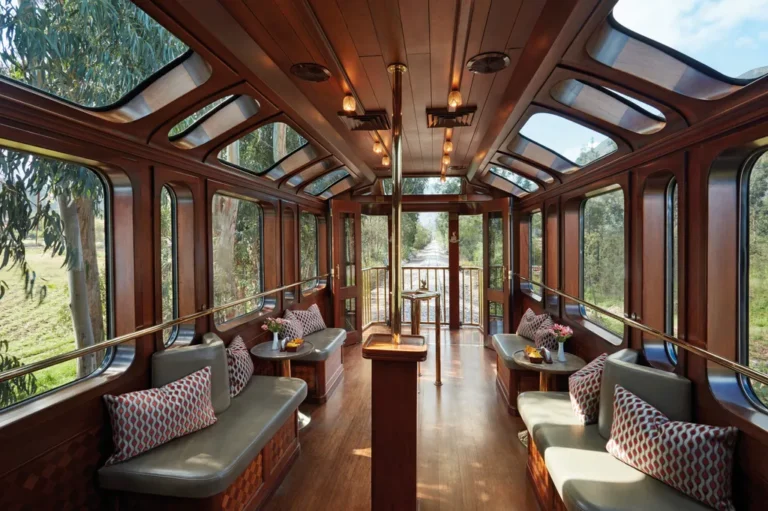
Restored historic trains (e.g., Venice Simplon-Orient-Express, Rovos Rail) offering private cabin suites, fine dining, and scenic regional transits.
Trade-offs: High spatial comfort and nostalgic charm, but compact cabin bathrooms and minor rail movement vibration during overnight travel.
Customized Private Land Journeys
Tailored itineraries utilizing private drivers, local expert guides, and hand-selected luxury boutique hotels.
Trade-offs: Complete schedule autonomy and pace control, but higher overall costs and more frequent hotel check-ins.
Small-Ship Expedition Cruising
Purpose-built ice-class vessels navigating remote regions like Antarctica or the Galápagos with expert naturalists aboard.
Trade-offs: Unmatched natural immersion and high-level safety infrastructure, but potential sea sickness risks during rough water crossings.
Villa-Based Hub Journeys
Establishes a single private estate as a long-term base, conducting day trips into surrounding regions via private vehicles.
Trade-offs: Zero unpacking stress and total schedule flexibility, but restricted geographic coverage radius around the central villa hub.
Wellness and Health-Focused Retreats
Specialized destinations focused on longevity, thermal hydrotherapy, personalized nutrition, and physical rehabilitation.
Trade-offs: Highly restorative environment, but less focus on traditional historical or cultural sightseeing.
Category Comparison Matrix
| Category | Primary Benefit | Major Operational Constraint | Relational Cost Profile |
| Boutique River Cruise | Direct city access | Fixed sailing itineraries | Predictable / High |
| Private Rail Journey | Scenic transit comfort | Compact bathroom spaces | Very High |
| Bespoke Land Charter | Maximum schedule control | Multiple hotel packing stops | Highest (Custom) |
| Expedition Cruising | Remote natural access | Rough sea movement risks | Very High |
| Villa-Based Hub | Zero packing fatigue | Fixed day-trip travel radius | Moderate to High |
| Wellness Retreat | Health restoration | Limited general sightseeing | High |
Realistic Decision Logic
Selecting the optimal travel style requires matching physical capacity with enrichment priorities:
-
Select Boutique River Cruises if avoiding unpacking stress and enjoying direct city docking are top goals.
-
Select Bespoke Land Charters if tailored pacing, private guide access, and complete daily flexibility are required.
-
Select Villa-Based Hubs if deep regional relaxation is preferred over multi-city transit schedules.
Detailed Real-World Scenarios

Scenario 1: The High-Altitude Altitude Shock
Travelers booked a luxury tour to Cusco and Machu Picchu without establishing a gradual acclimatization schedule.
The abrupt jump from sea level to 11,000 feet caused severe altitude sickness, requiring emergency oxygen therapy and canceling three days of planned excursions.
Primary Cause: Failing to include two buffer nights at lower elevation (e.g., Sacred Valley) before visiting Cusco.
Second-Order Effect: The clients suffered severe physical distress and incurred non-refundable hotel cancellation penalties.
Scenario 2: The Cobblestone Mobility Bottleneck
A senior couple with mild knee arthritis joined an architectural walking tour across historic hill towns in Tuscany.
The towns restricted vehicle access, forcing long walks up steep, uneven cobblestone streets. Joint inflammation confined the travelers to their hotel room for the remainder of the region stay.
Primary Cause: Overlooking historic site walkability ratings and local vehicle access restrictions during itinerary planning.
Second-Order Effect: The couple missed key cultural highlights and required local pharmaceutical interventions.
Scenario 3: The Untested Medical Emergency Evacuation
A traveler experienced acute cardiac symptoms while staying at a remote safari lodge in Southern Africa.
The lodge lacked direct medical evacuation arrangements, delaying air ambulance transit to a Johannesburg hospital by twelve critical hours.
Primary Cause: Relying on basic credit card travel insurance without verifying dedicated medical air evacuation coverage.
Second-Order Effect: The patient experienced prolonged health complications and massive out-of-pocket medical flight fees.
Scenario 4: The Excessive Hotel Packing Exhaustion
An active retired couple booked a twelve-day land tour across Europe featuring six different two-night hotel stays.
Constant packing, luggage loading, and hotel check-ins generated cumulative fatigue, leaving the couple too exhausted to enjoy afternoon tours.
Primary Cause: Prioritizing maximum geographic coverage over sustainable itinerary pacing.
Second-Order Effect: The couple cut several private tours short to rest in their hotel rooms.
Planning, Cost, and Resource Dynamics
Structuring high-end journeys for mature adults involves managing direct costs, specialized logistics fees, and comprehensive risk mitigation expenses.
Direct vs. Indirect Expenses
-
Direct Accommodation Rates: Luxury hotel suites, luxury ship cabins, or private villa leases including daily services.
-
Private Transit Logistics: Dedicated chauffeur vehicles, airport tarmac transfers, private rail charters, and light aircraft positioning.
-
Protection & Medical Reserves: Comprehensive travel insurance policies with pre-existing condition waivers, medical evacuation coverage, and emergency cash reserves.
Estimated Cost Profiles by Travel Style
| Travel Category | Daily Rate Range (per couple) | Insurance & Evacuation Allocation | Transit Support Overhead |
| Boutique River Cruise | $1,200 – $2,500 | $100 – $250 / day | Included in Cruise Rate |
| Bespoke Private Land Journey | $2,000 – $4,500 | $150 – $350 / day | $500 – $1,200 / day (Private Chauffeur) |
| Luxury Expedition Cruise | $2,500 – $6,000 | $200 – $500 / day | Included in Cruise Rate |
| Private Jet Tour | $8,000 – $20,000+ | $500 – $1,000+ / day | Tarmac Handling Included |
Tools, Strategies, and Support Systems
Executing seamless senior itineraries requires leveraging specialized planning tools, accessibility databases, and professional travel medicine advisors.
Essential Evaluation Systems
-
AccessAble & WheelMap Databases: Global platforms offering detailed accessibility ratings, stair counts, and doorway width metrics for public sites and hotels.
-
Travel Medicine Specialists: Professional clinics providing personalized health consultations, vaccination protocols, and altitude medication prescriptions.
-
Airport Fast-Track & Meet-and-Assist Services: Specialized airport services providing wheelchair escort, private security passage, and tarmac vehicle transfers.
-
MedjetAssist Membership: Specialized protection program that guarantees air medical transport to a home hospital of choice during hospitalization abroad.
-
Bespoke Chauffeur Networks: Credentialed private driver services providing low-floor luxury vehicles and luggage handling support.
-
Smart Travel Insurance Comparison Engines: Specialized tools for locating travel insurance policies featuring pre-existing medical condition waivers.
Risk Landscape and Failure Modes
High-tier itineraries for seniors face health, physical, and operational risks that require proactive management.
Risk Taxonomy Matrix
| Category | Primary Threat | Root Cause | Prevention Strategy |
| Physical Safety | Slips, trips, and falls | Wet cobblestones / Uneven steps | Mandate rubber-soled footwear & staff support |
| Medical | Exacerbation of pre-existing conditions | Climate strain / Travel fatigue | Schedule mandatory rest days & carry medical summaries |
| Operational | Extended airport layover strain | Airline flight cancellations | Book fast-track assistance & lounge passes |
| Financial | Loss of non-refundable deposits | Sudden health cancellations | Purchase Cancel For Any Reason (CFAR) insurance |
| Logistical | Lost prescription medications | Baggage mishandling | Pack 14-day medication reserves in carry-on bags |
Governance, Maintenance, and Long-Term Adaptation
Applying structured review protocols before finalizing travel bookings ensures safety, comfort, and schedule stability across every journey segment.
Layered Pre-Departure Protocol
-
6 Months Out: Review destination health requirements, secure comprehensive travel insurance with pre-existing waivers, and confirm accessible hotel room layouts.
-
3 Months Out: Consult travel medicine specialists, confirm airport fast-track services, and audit daily itinerary pacing for rest buffers.
-
1 Month Out: Organize physical prescription reserves, secure physician medical summaries, and verify private driver vehicle access codes.
-
Final Week: Confirm airport escort services, double-check holdall luggage weights, and store digital copies of health insurance policies.
Measurement, Tracking, and Evaluation
Monitoring itinerary success requires tracking both quantifiable metrics and qualitative personal signals throughout the journey.
Quantitative and Qualitative Signals
-
Daily Active Step Count (Quantitative): Tracks physical exertion metrics to ensure activity stays within safe personal thresholds.
-
Transit-to-Sightseeing Ratio (Quantitative): Measures total hours spent traveling against time spent enjoying destinations.
-
Energy Reserve Index (Qualitative): Evaluates daily fatigue levels, sleep quality, and physical comfort.
-
Cultural Immersion Score (Qualitative): Assesses personal satisfaction with guide expertise, site access, and enrichment depth.
Common Misconceptions and Oversimplifications
-
Myth 1: Luxury Cruises Are the Only Practical Option for Senior Travelers.
Correction: Customized land journeys using private chauffeurs and single-hub villa stays offer equal comfort paired with superior schedule autonomy.
-
Myth 2: Standard Credit Card Insurance Provides Sufficient Medical Evacuation Coverage.
Correction: Card policies often have low evacuation limits and strict hospital transport restrictions; dedicated policies are essential.
-
Myth 3: Senior Travel Must Always Be Paced at a Very Slow Speed.
Correction: Active seniors often prefer fast-paced enrichment journeys when transit friction is eliminated through private transport.
-
Myth 4: Altitude Sickness Only Affects Mountaineers and Hikers.
Correction: High-elevation cities like Quito or Bogota can trigger acute altitude sickness in travelers arriving directly by air.
-
Myth 5: Pre-Existing Conditions Automatically Exclude Travelers from Coverage.
Correction: Purchasing travel insurance within 14 to 21 days of initial deposit routinely secures pre-existing condition waivers.
Ethical, Practical, and Contextual Considerations
Designing high-end travel for seniors involves broader cultural and social responsibilities. Supporting local preservation initiatives, hiring credentialed resident guides, and staying at heritage properties directs travel spending into host communities.
Additionally, respecting regional cultural norms and pacing visits outside peak hours reduces overcrowding at sensitive historical monuments. Selecting sustainable luxury properties that employ energy-efficient infrastructure protects regional environments for future generations.
Conclusion
Structuring the best luxury travel for seniors requires balancing rich cultural exploration with rigorous operational planning, health protection, and tailored pacing. A well-designed itinerary eliminates transit friction, respects energy limits, and prioritizes immediate access to high-standard medical infrastructure. By evaluating personal capability thresholds, securing comprehensive travel insurance, and choosing appropriate travel styles, mature travelers can explore global destinations with complete confidence, comfort, and peace of mind.